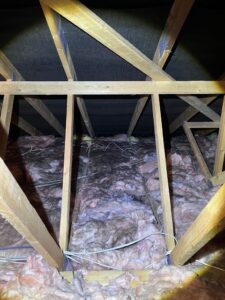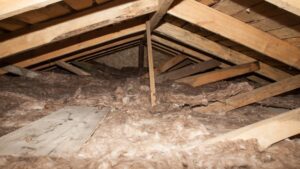
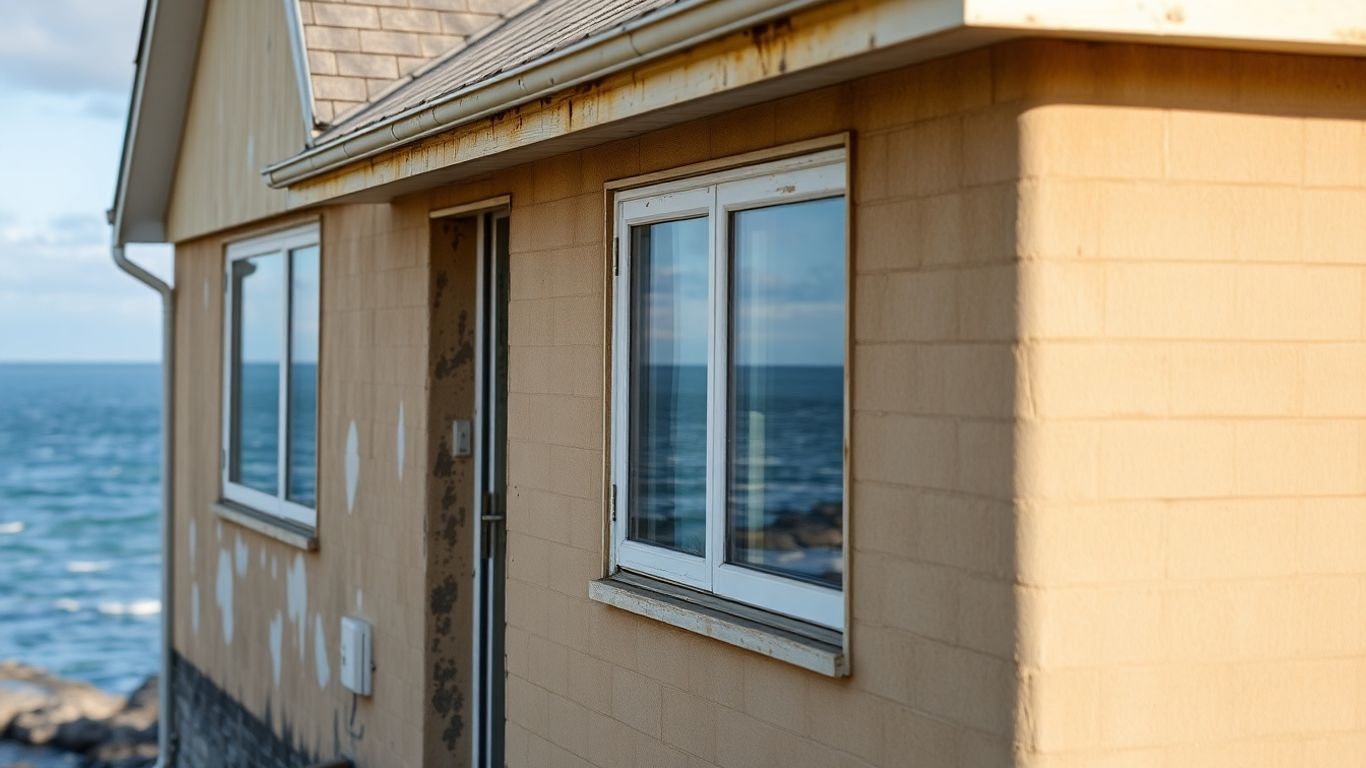
Living by the sea in Devon or Cornwall has its perks, doesn’t it? The views, the fresh air… but that lovely sea air can bring its own set of problems, especially when it comes to your loft. We’re talking about damp and mould, and honestly, it’s a bit of a nightmare if you don’t keep an eye on it. This guide is all about helping you spot and sort out any coastal home loft mould Devon homeowners might face, keeping your house dry and healthy.
Key Takeaways
- Sea air, with its salt content, can really speed up decay in building materials, making coastal homes more prone to damp issues.
- Look out for signs like mould patches, peeling paint, and musty smells in your loft – these are common indicators of damp.
- Condensation is a major culprit, often caused by not enough airflow or too much moisture from everyday activities like cooking or drying clothes indoors.
- Improving loft ventilation and ensuring good insulation are key steps to prevent damp and mould from taking hold.
- Regular checks and maintenance, especially on roofs and walls, are vital for protecting your coastal property from the elements and sea salt.
Understanding Coastal Damp Challenges
Living by the sea in Devon and Cornwall has its perks, doesn’t it? That fresh sea air, the sound of the waves… it’s pretty special. But that same salty air can cause a bit of bother for our homes, especially up in the loft. It’s not just about the rain, you see. The sea air itself brings a whole load of moisture and salt that can really get into the nooks and crannies of your property.
The Impact of Sea Air on Devon Homes
Our coastal homes are basically on the front line when it comes to the elements. The air here is thick with salt particles, and when this salty air hits your walls, it doesn’t just sit there. It can actually speed up the decay of brickwork and mortar. Think of it like a constant, gentle erosion. Over time, this makes your home more porous, meaning water can get in more easily. This is a big issue for properties, especially older ones, that might already have some wear and tear. It’s a bit like leaving a metal object out in the sea air – it’ll rust a lot faster than one kept inland. This is why properties in places like Salcombe or Port Isaac are often more susceptible to damp issues than those further inland.
Common Damp Signs in Coastal Lofts
So, what should you be looking out for up in your loft? Well, damp in a coastal loft often shows itself in a few key ways. You might notice a musty smell, which is a classic sign of mould or mildew. Visually, look for discoloured patches on your timbers or insulation, or even actual mould growth – it can look like fuzzy black, green, or white spots. Sometimes, you’ll see condensation on the underside of your roof sheets or on any exposed pipes. It’s the combination of salt and moisture that makes loft damp particularly tricky to deal with. If you’ve got old, unsealed roof tiles or gaps in your flashing, water can get in, and the salty air just makes the problem worse once it’s inside. It’s a good idea to check your loft insulation regularly for any signs of trouble.
Why Coastal Properties Are More Vulnerable
It really boils down to a few things. Firstly, the constant exposure to salt-laden air, as we’ve mentioned. This salt acts like a sponge, attracting and holding moisture, and it also breaks down building materials faster. Secondly, coastal areas often experience stronger winds and more driving rain. This means water can be forced into tiny cracks and gaps in your roof or walls that might not be a problem inland. Even modern, energy-efficient homes can struggle because while they’re built to keep heat in, they can also trap moisture if ventilation isn’t spot on. This trapped moisture, combined with the salty air, creates a perfect storm for damp and mould to take hold. It’s a bit of a double whammy that makes homes right on the coast that bit more vulnerable than their inland cousins.
Identifying Loft Mould in Devon
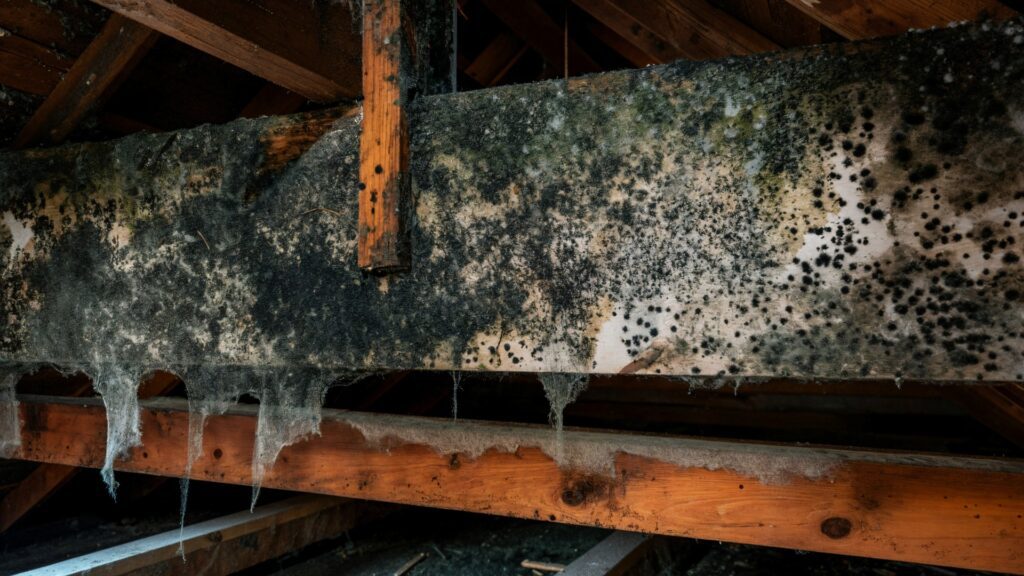
Right then, let’s talk about spotting mould in your loft, especially if you’re living that lovely Devon coastal life. It’s not always obvious, is it? Sometimes it just looks like a bit of discolouration, other times it’s a bit more… well, fuzzy.
Recognising Mould Growth Patterns
Mould isn’t shy, but it can be sneaky. You’ll often see it starting in corners, along edges where timbers meet, or anywhere moisture likes to hang around. Think of those dark, damp spots that can spread out like a bad rumour. It can be black, green, or even a bit white and fluffy. The key is to catch it early before it really takes hold. It often appears in patches, sometimes with a distinct, musty smell that you just can’t quite place.
The Role of Condensation in Loft Damp
This is a biggie, especially in places like Devon where the air can be pretty damp from the sea. When warm, moist air from your home rises up into the cooler loft space, it cools down and turns into water droplets. This is condensation, and it’s the perfect breeding ground for mould. It’s like leaving a cold drink out on a humid day – you get those water beads forming. This happens more when there’s not enough airflow, so the moisture just sits there.
Distinguishing Mould from Other Issues
Sometimes, what looks like mould might be something else, or it could be a sign of a bigger problem. For instance, salt deposits from sea air can sometimes look a bit like mould, especially on brickwork. You might also see peeling paint or plaster, which could be from damp but not necessarily mould itself. It’s important to figure out if it’s just surface mould that needs a good clean, or if there’s a deeper issue like water getting in from a leaky roof or rising damp. If you’re unsure, it’s always best to get a professional to have a look. They’ve got the tools to tell for sure.
Tackling Sea Salt and Moisture Ingress
Right then, let’s get down to brass tacks about what’s actually causing the damp and mould in your lovely Devon or Cornwall home. It’s not just about a bit of rain; the sea air itself plays a sneaky role, and we need to understand how it gets in and what it does.
How Salt Accelerates Brickwork Decay
You might not think salt is a big deal, but when it gets into your brickwork, it can cause real problems. The sea air carries tiny salt particles, and these can settle on and in your walls. When rain hits, it dissolves the salt, and this salty water then soaks into the bricks and mortar. As this water dries out, the salt crystallises. This crystallisation process puts pressure on the brick and mortar, causing it to crumble and break down over time. It’s a bit like how frost can crack pavements, but with salt. This means your walls become weaker and more porous, making them even more susceptible to further dampness. It’s a bit of a vicious cycle, really.
Preventing Water Penetration from Roofs and Walls
This is where we need to be a bit like a detective. Water getting into your loft or walls usually comes from a few key places. Your roof is the first big suspect. Missing tiles, damaged flashing around chimneys or vents, or even blocked gutters can all let water in. Down at wall level, look for cracked render, crumbling mortar (that’s the ‘pointing’ between the bricks), or poorly sealed window frames. Even small gaps can let in a surprising amount of water, especially during those strong coastal winds and heavy downpours we get down here. It’s all about finding those weak spots and fixing them up before they become major issues.
Here are some common culprits:
- Roof Issues: Cracked or missing tiles, damaged lead flashing, blocked gutters and downpipes.
- Wall Defects: Deteriorated brick pointing, cracked render, gaps around window and door frames.
- Structural Problems: Bridging of the damp proof course (DPC) where external ground levels are too high.
Addressing Condensation from Internal Sources
While the sea air is a big factor, we can’t forget about what’s happening inside your home. Everyday activities like cooking, showering, and even just breathing produce moisture. If your loft isn’t properly ventilated, this warm, moist air can rise up and hit the cold surfaces of your roof timbers and insulation. When it cools down, it turns back into water – condensation. This is especially true in modern, well-sealed homes where air doesn’t naturally escape. We need to make sure that moisture has a way to get out, otherwise, it just sits there, feeding mould and making everything damp.
It’s easy to blame the weather when you see damp, but often, a combination of external water ingress and internal moisture build-up is the real problem. Tackling both is key to a dry home.
Effective Loft Mould Treatments
Right then, so you’ve spotted that unwelcome mould in your loft, and you’re wondering what on earth to do about it. Don’t panic, it’s a common problem, especially with our salty air down here. The good news is there are ways to sort it out and stop it coming back.
Improving Ventilation in Coastal Lofts
This is probably the biggest one. If your loft is like a stagnant pond, moisture just hangs around, and mould loves that. We need to get the air moving.
- Trickle Vents: These are small vents, often built into window frames or walls, that let a little bit of air in all the time. They’re great for keeping a constant, gentle airflow without making your house chilly.
- Extractor Fans: If you’ve got bathrooms or kitchens that vent directly into the loft space (which is a bit of a no-no, but happens!), or if you’re just getting a lot of steam up there, a proper extractor fan is your friend. Make sure it’s vented outside the house, not just into the loft.
- Positive Input Ventilation (PIV) Systems: These are a bit more high-tech. A PIV unit is usually installed in the loft and it gently pushes fresh air into the whole house, starting from the top. This can really help to dilute moisture and push it out, making it harder for mould to take hold. It’s a really effective way to tackle damp air right at the source.
Insulation Strategies for Damp Prevention
Insulation is brilliant for keeping your home warm, but if it gets damp, it can actually make things worse. The trick is to insulate properly so that the surfaces don’t get too cold.
- Keep it Dry: Make sure any insulation you have, or are planning to put in, stays dry. If it gets wet, it loses its effectiveness and can become a breeding ground for mould itself.
- Ventilation Gaps: When insulating between rafters, it’s important to leave a small gap for air to circulate. This stops moist air from getting trapped against the cold roof timbers.
- Avoid Blocking Vents: Whatever you do, don’t cover up any existing vents with insulation. That defeats the whole purpose of having them!
Professional Mould Remediation Services
Sometimes, the mould is a bit too much to handle yourself, or you just want the peace of mind that it’s been dealt with properly. That’s where the pros come in.
- Assessment: They’ll come and have a good look, figure out exactly what’s causing the mould (is it condensation, leaks, or something else?), and assess how bad it is.
- Treatment: They’ll use special products to kill and remove the mould safely. This isn’t just a quick wipe-down; they’ll make sure it’s gone.
- Prevention Advice: Good remediation services won’t just clean up the mess; they’ll also give you advice on how to stop it from happening again, which is, of course, the most important bit.
Dealing with loft mould isn’t just about making it look nice again; it’s about protecting the health of your home and everyone in it. Getting the ventilation right and keeping things dry are the main goals.
Here’s a quick rundown of what might be involved:
| Problem Area | Common Solutions |
|---|---|
| Condensation | PIV systems, extractor fans, trickle vents |
| Poor Airflow | Increasing ventilation points, PIV systems |
| Existing Mould | Professional cleaning, anti-fungal treatments |
| Damp Insulation | Replacement of affected insulation, moisture control |
| Sea Salt Intrusion | Specific cleaning, improved sealing, ventilation |
Protecting Your Coastal Home Long-Term

Right then, so we’ve talked about the problems, but how do we actually stop this damp and mould from coming back, especially with all that sea air buzzing about? It’s all about being a bit proactive, really. Think of it like looking after a classic car – you wouldn’t just leave it out in the rain, would you?
Regular Maintenance for Sea-Facing Properties
This is probably the most important bit. You’ve got to keep an eye on things. Little jobs done regularly stop big, expensive jobs later on. For homes right on the coast, you’ll want to check:
- Gutters and Downpipes: Make sure they’re clear of salt, sand, and any debris. Blockages mean water can back up and find its way into your walls or roof. Give them a good flush out a couple of times a year.
- Roof Tiles and Flashings: Look for any slipped or cracked tiles, especially after a storm. Check the lead or flashing around chimneys and vents too. Sea air can be harsh, and it’s worth getting any small issues sorted before they become leaks.
- Exterior Walls: Give them a once-over for any cracks in the render or pointing. Sea salt can get into tiny gaps and then expand when it freezes, making the problem worse. A quick patch-up job now can save a lot of bother.
- Windows and Doors: Check the seals. Salty air can degrade rubber and sealant over time, letting in drafts and moisture. Re-sealing is a pretty straightforward job.
The constant battle against the elements, especially the salty spray from the sea, means that coastal properties need a bit more TLC than those tucked away inland. It’s not just about aesthetics; it’s about preserving the very structure of your home against the relentless coastal conditions.
Choosing the Right Damp Proofing Solutions
When it comes to stopping damp, there isn’t a one-size-fits-all answer, especially with coastal properties. What works for one house might not be the best for another. You’ve got a few options, and it’s worth knowing what they are:
- Improved Ventilation: We’ve touched on this, but it’s worth repeating. Things like Positive Input Ventilation (PIV) systems can make a massive difference in lofts. They push fresh air in, helping to push out moist air. Think of it as giving your loft a constant, gentle breeze.
- Waterproof Coatings/Membranes: For walls that are getting hit hard by driving rain, or if you’ve got issues with penetrating damp, a good quality waterproof render or an internal membrane system can create a solid barrier. It’s like giving your walls a protective coat.
- Salt-Resistant Materials: If you’re doing any repairs, especially to brickwork or render, look for materials that can stand up to salt. Some modern renders and mortars are designed for coastal environments.
Maintaining Healthy Air Quality in Your Loft
So, you’ve tackled the damp and mould, but you don’t want it creeping back. Keeping the air in your loft fresh is key. This means:
- Regular Airing: Even with ventilation systems, opening up loft hatches on dry, breezy days can help clear out any lingering moisture. Just a few hours can make a difference.
- Checking Ventilation Points: Make sure any vents you have – whether they’re soffit vents, ridge vents, or wall vents – aren’t blocked by nests, leaves, or even just dust. They need to be able to do their job.
- Monitoring Humidity: If you’re really keen, you could even get a cheap little hygrometer (they measure humidity) for your loft. Keeping an eye on the readings will give you a heads-up if things start getting too damp again, so you can act fast.
Ultimately, keeping your coastal home damp-free is an ongoing process, not a one-off fix. A bit of regular attention goes a long way in protecting your property from the unique challenges of living by the sea.
Thinking about how to keep your home by the sea safe for years to come? It’s smart to plan ahead. Protecting your coastal home long-term involves making sure it’s strong against the elements. We can help you find the best ways to do this. Visit our website today to learn more about safeguarding your property.
So, What’s the Takeaway?
Living by the sea in Devon and Cornwall is pretty special, but that salty air and damp can really get into your home if you’re not careful. We’ve seen how condensation, penetrating damp, and even rising damp can sneak in, especially in older properties. The good news is, it’s not the end of the world! Keeping an eye out for those tell-tale signs like mouldy corners or peeling paint is key. And if you do spot something, don’t just ignore it. Getting a proper look at the problem and sorting it out, whether it’s fixing a leaky gutter or improving ventilation, makes a massive difference. It means your lovely coastal home stays healthy, dry, and a joy to live in, letting you enjoy those sea views without the damp worries.
Frequently Asked Questions
Why is sea air so bad for my loft in Devon?
Basically, the air coming off the sea is full of tiny salt particles. When this salty air gets into your loft, it can attract moisture, making things damp. This dampness can then cause problems like mould and even damage the building materials over time, especially in places like Devon where the coast is never far away.
What are the main signs of damp and mould in a coastal loft?
You might notice black spots or fuzzy patches of mould on the timbers or insulation. Sometimes, you’ll smell a musty, damp odour. You could also see water droplets on cold surfaces, like the inside of your roof, or notice peeling paint. It’s like the loft is sweating, but not in a good way!
Can condensation really be a big problem in lofts?
Absolutely! Even though it’s coming from the sea, dampness in lofts is often caused by condensation. This happens when warm, moist air from inside your house rises into the cooler loft space. When this warm air hits the cold roof surfaces, the moisture turns into water droplets, creating that damp environment where mould loves to grow.
How can I stop damp and mould from coming back after I’ve dealt with it?
The best way is to improve ventilation. Think about getting an extractor fan fitted in your bathroom or kitchen, or even a special system for the loft that keeps the air moving. Making sure your loft is properly insulated also helps a lot, as it keeps the surfaces warmer and less likely to cause condensation.
Is it worth getting a professional to sort out loft damp?
For minor issues, you might be able to do a bit yourself, like wiping down mould. But if it’s a serious problem, or if you’re not sure what’s causing it, it’s definitely a good idea to call in the experts. They can figure out the exact cause, whether it’s sea air, condensation, or something else, and give you the right treatment to stop it coming back.
What’s the difference between damp from sea air and damp from inside the house?
Damp from sea air often means salt is involved, which can make building materials weaker and attract moisture. Damp from inside the house, usually condensation, is caused by everyday activities like showering, cooking, or drying clothes, creating moist air that then cools down in your loft. Both can lead to mould, but the underlying cause and sometimes the best solution can differ.