
So, you’ve gone and insulated your loft, thinking you’re doing your bit for the planet and your wallet. Smart move, right? But sometimes, things don’t go quite to plan. You might find yourself scratching your head, wondering why there’s dampness creeping in where it shouldn’t be. It turns out, your shiny new loft insulation could be playing a part in those pesky loft insulation condensation problems. Let’s have a look at some of the tell-tale signs.
Key Takeaways
- Blocked eaves or roof vents stop moist air from escaping, leading to dampness and mould.
- A missing or poorly fitted vapour barrier lets warm, damp air get into the insulation, causing unseen damage.
- Interstitial condensation happens inside the insulation or timbers, which is hard to spot but can cause rot.
- Musty smells, flaky paint, or salt streaks on walls are early hints of condensation issues.
- Even good insulation can cause problems if it’s compressed or installed without proper ventilation.
Blocked Eaves Or Roof Vents
Right then, let’s talk about your loft vents. You know, those little openings, usually at the eaves or along the roofline, that are supposed to let air flow in and out? If they’re blocked, it’s a bit like trying to breathe through a blocked nose – not very effective, is it? Insulation is brilliant for keeping your house warm, but sometimes, especially if it’s been put in a bit haphazardly, it can end up spilling over and completely covering these vital vents. This stops the air from circulating properly.
This lack of airflow is a biggie when it comes to condensation. It means that any moisture that does make its way into your loft space just hangs around, unable to escape. Over time, this damp air can start to condense on the cooler surfaces, like the underside of your roof timbers or the felt.
Think about it: the whole point of these vents is to keep the air moving. They help to regulate the temperature in your loft, preventing it from getting too hot in the summer and, more importantly for this discussion, helping to carry away any moist air that might be coming up from your living space. When they’re blocked, that natural ventilation process grinds to a halt.
Here’s what to look out for:
- Visible blockages: Have a good look at your eaves and any roof vents. Can you see insulation, cobwebs, leaves, or even bird nests completely filling them up?
- Damp patches near vents: If you notice dark spots or dampness on the timbers or felt specifically around the vent areas, it’s a strong sign that air isn’t getting through.
- A general feeling of stuffiness: While harder to quantify, if your loft just feels generally damp and stagnant, blocked vents could be a major contributor.
It’s not just about insulation falling into them, either. Sometimes, builders might not have installed enough vents in the first place, or they might be too small. If you’ve had new insulation fitted, it’s always a good idea to double-check that the installers were careful not to obstruct any existing ventilation. A quick peek from the outside, or even a careful look from the inside if you can get to it, can save you a lot of damp-related headaches down the line. It’s a simple fix, but one that makes a massive difference to the health of your roof space.
Lack Of Vapour Barriers
Right then, let’s talk about vapour barriers, or rather, the lack of them. Think of your loft insulation as a cosy blanket for your house, keeping the heat in. But, just like you wouldn’t want your blanket to get all damp and soggy, your insulation needs protection from moisture too. That’s where a vapour barrier comes in. It’s basically a layer, usually plastic sheeting, that stops warm, moist air from your home creeping up into the cold loft space and turning into condensation.
When you don’t have one, or if it’s damaged, that warm, humid air just waltzes straight into your insulation. As it hits the colder surfaces up there, it cools down and poof – you get water droplets. This is a biggie because it means your insulation gets wet, which makes it rubbish at its job of keeping your house warm. Plus, it can lead to all sorts of damp and mould issues that you might not even see at first.
The absence of a proper vapour barrier is a common culprit when condensation starts showing up in your loft. It’s not just about slapping insulation in; it’s about doing it properly to manage moisture. If you’ve had insulation installed without one, or if the existing one has holes or isn’t sealed up right, it’s a prime suspect for condensation problems. It’s worth getting a professional to check this out, as they can assess the situation and offer condensation prevention solutions to sort it out.
Here’s a quick rundown of what happens without a vapour barrier:
- Warm, moist air from your living space travels upwards.
- Without a barrier, this air penetrates the insulation.
- It cools on contact with cold loft surfaces, condensing into water.
- This moisture degrades the insulation’s performance and can cause damage.
It’s easy to think of insulation purely in terms of keeping heat in, but its role in managing moisture is just as important. A well-installed vapour barrier is key to preventing condensation from forming within your loft structure, safeguarding both your home’s fabric and your energy efficiency.
Interstitial Condensation
Right, so we’ve talked about the obvious condensation you can see, like on your windows. But there’s a sneakier kind, called interstitial condensation. This happens inside your insulation or within the timbers of your roof, so you can’t see it straight away. It’s a bit like a hidden damp problem.
Basically, warm, moist air from your house can seep up into the loft. When this air hits colder surfaces within the insulation layers or on the roof timbers, it cools down. As it cools, it can’t hold as much moisture, so the water vapour turns back into liquid water. This is condensation, but it’s happening out of sight.
This hidden moisture can be a real problem over time.
Why is it such a big deal? Well, if this moisture builds up, it can start to damage the materials around it. For wooden structures, this can mean rot setting in, which is obviously not good for the integrity of your house. It can also make your insulation less effective because, let’s face it, wet insulation doesn’t keep much heat in.
Here’s a quick rundown of what can contribute to this hidden damp:
- Poorly fitted insulation: Gaps or compression mean air can move where it shouldn’t.
- Missing or damaged vapour barriers: These are meant to stop moisture from travelling upwards.
- Blocked ventilation: If air can’t move freely, moisture gets trapped.
You might not see the water droplets themselves, but you could notice other signs. Think about a persistent musty smell in the loft, or maybe paint starting to flake off timbers. These are often clues that something’s going on behind the scenes.
It’s the kind of issue that can go undetected for ages, only becoming apparent when there’s actual damage, like wood rot or mould growth. So, keeping an eye on your loft’s ventilation and how the insulation is installed is pretty important to avoid this invisible enemy.
Musty Odours
Right, let’s talk about smells. If your loft is starting to pong a bit, and it’s not just the lingering scent of old socks, it could be a sign that your loft insulation is playing up. We’re talking about that distinct, damp, musty smell that seems to cling to everything. It’s a bit like the smell of old books or a damp cellar, and honestly, it’s not something you want hanging around your home.
This persistent odour is often one of the first clues that moisture is getting trapped somewhere it shouldn’t be. Think of it as your loft’s way of crying out for help. When insulation isn’t installed correctly, or if ventilation is poor, water vapour can get stuck. This damp environment is a breeding ground for mould and mildew, and guess what? They’re the culprits behind that unpleasant smell.
Here’s what to look out for:
- The smell isn’t going away: If you’ve aired the loft out, cleaned it, and the musty smell still creeps back, that’s a big red flag.
- It’s strongest after rain or humid weather: This suggests that external moisture is finding its way in, or internal moisture isn’t escaping.
- You notice it more when you first enter the loft: Sometimes the smell is subtle until you’re actually in the space, indicating a build-up.
It’s easy to dismiss a bit of a smell, especially in a space like a loft that isn’t used daily. However, that musty odour is your nose telling you that something’s not right with the moisture levels, and that can lead to bigger problems down the line if left unchecked.
Flaky Paint
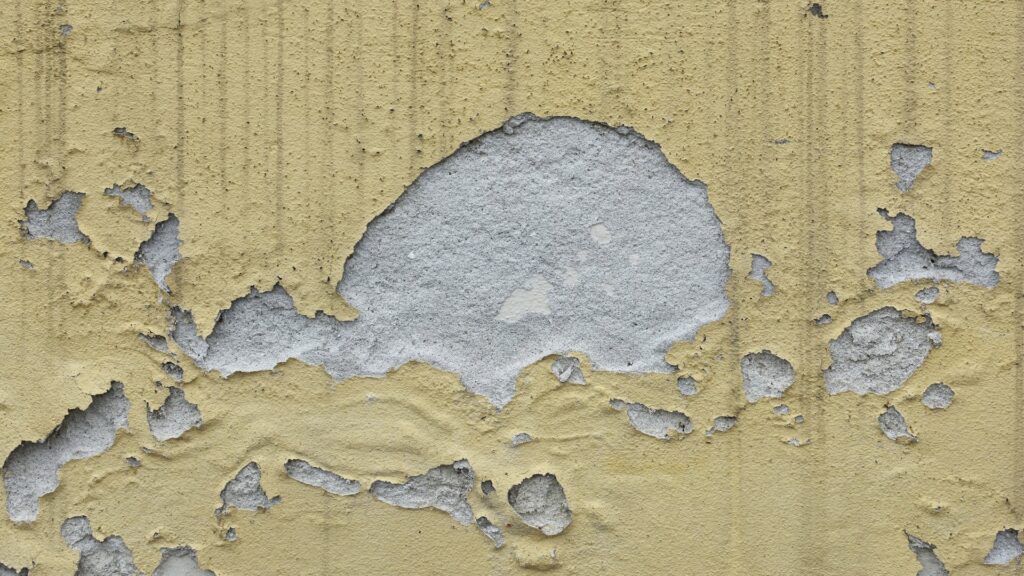
You know that feeling when you spot a bit of paint peeling off the wall? Usually, you’d just grab the filler and a bit of paint and sort it out. But if it keeps happening, especially near your loft or in rooms directly below it, it could be a sign that your loft insulation is up to no good.
This isn’t just about a bit of DIY annoyance; it’s often a symptom of moisture getting trapped somewhere it shouldn’t be. When warm, damp air from your home finds its way into the loft space and hits cold surfaces, it cools down and turns into water. If your insulation isn’t doing its job properly, or if there’s a lack of ventilation, this moisture can start to seep through the ceiling and plasterboard.
The paint might start to bubble or blister first, and then it just flakes off in sad little pieces. It’s like the moisture is actively pushing it away from the wall.
Look out for:
- Areas of paint that are bubbling or look swollen.
- Paint that peels away easily, sometimes in large sheets.
- The plaster underneath might look damp or even discoloured where the paint has come off.
This kind of damage isn’t just cosmetic. It means there’s a persistent damp problem, and if left unchecked, it can lead to mould growth and even damage the plasterboard itself. It’s your home’s way of telling you something’s not quite right up in the loft.
Streaks Of Salt
Ever noticed those faint, powdery white or greyish streaks appearing on your brickwork or timbers in the loft? That’s often a sign of efflorescence, which is basically salts being drawn out of the building materials by moisture. Think of it like a salt and water mixture creeping through the brick and then drying out, leaving the salt behind.
These salt streaks are a pretty clear indicator that there’s excess moisture lurking somewhere, and your loft insulation might be playing a part in trapping it. It’s not just about the visual – these salts can actually be quite corrosive over time, especially to metal fixings and timbers.
Here’s a quick rundown of what’s happening:
- Moisture Movement: Water, often from condensation, soaks into porous materials like brick or mortar.
- Salt Dissolving: As the water moves through these materials, it dissolves any natural salts present.
- Evaporation: When the water eventually evaporates (often on the surface of the material), it leaves the dissolved salts behind.
- Accumulation: Over time, this process repeats, leading to visible streaks or patches.
While you might see these streaks on external walls too, in the context of your loft, it often points to moisture that’s getting into the building fabric and then being held there, potentially by insulation that’s become damp or is preventing proper drying.
If you spot these, it’s definitely worth investigating the source of the moisture. It could be anything from a leaky roof tile to, you guessed it, condensation issues related to your loft insulation not performing as it should or being installed in a way that traps moisture.
Clammy Insulation
Right, let’s talk about the feel of your loft insulation. If you’ve been up there and noticed that the insulation feels a bit damp, or clammy to the touch, that’s a pretty big red flag. It means moisture is getting trapped where it really shouldn’t be.
Think about it: insulation is supposed to keep the warmth in your house, which means your loft space itself is going to get colder. When warm, moist air from your living areas drifts up into this colder loft, it cools down. As it cools, it can’t hold as much moisture, so that moisture has to go somewhere. Ideally, it should be able to escape through vents. But if it can’t, it starts to condense on surfaces, including the insulation itself.
This trapped moisture can lead to all sorts of problems, from mould growth to making your insulation less effective.
Here’s what you might be feeling:
- The insulation feels heavy and damp, not light and fluffy.
- You might notice a musty smell clinging to the material.
- In really bad cases, you could even see water droplets or mould spots.
It’s not just about the insulation getting wet, though. It’s what that dampness signifies: a breakdown in how your loft is managing moisture. This could be down to blocked vents, a missing vapour barrier, or even just too much humidity being generated downstairs without a way for it to get out.
If your insulation feels damp, it’s a sign that the whole system isn’t working as it should. It’s not just the insulation that’s the problem, but rather how moisture is moving through your home and getting stuck in the loft space.
Fog On Roof Felt
Ever ventured into your loft and noticed a strange, misty film clinging to the underside of your roof felt? It might not seem like a big deal at first glance, but this ‘fog’ is actually condensation, and it’s a pretty clear sign that something’s not quite right with your loft insulation or ventilation.
Basically, warm, moist air from your home is finding its way up into the cold loft space. When this warm air hits the cold surface of the roof felt, the moisture in it turns into tiny water droplets, creating that foggy appearance. This trapped moisture can lead to all sorts of problems down the line, from mould growth to timber rot.
Several things could be causing this. It could be that your loft insulation isn’t installed correctly, perhaps it’s too thin or has gaps, allowing warm air to escape upwards more easily. Another common culprit is inadequate ventilation. Your loft needs a way for air to circulate and moisture to escape. If your eaves or roof vents are blocked – maybe by debris or even by the insulation itself – that moist air gets stuck.
Here are a few things to check if you spot this condensation:
- Are your eaves vents clear? Give them a good look to make sure nothing’s blocking them.
- Is the insulation laid correctly? Make sure it’s not pushed right up against the roof timbers, especially at the eaves, as this can block airflow.
- Have you got enough ventilation? Sometimes, especially in older homes, the original ventilation might just not be sufficient for modern living.
If you’re seeing this fog, it’s worth getting it checked out sooner rather than later. Ignoring it can lead to more serious issues, like damp patches on your ceiling or even structural damage. A professional loft survey can help pinpoint the exact cause and recommend the best solution, whether that’s improving your loft insulation installation or sorting out the ventilation.
This condensation isn’t just an aesthetic issue; it’s a symptom of a deeper problem that, if left unaddressed, can compromise the integrity of your roof structure and the health of your home.
Compressed Insulation

Right, let’s talk about squashed insulation. You know when you’re trying to stuff way too much into a space, or maybe you’ve accidentally leaned on it? That’s basically what compressed insulation is. When loft insulation, especially the fluffy kind like fibreglass or mineral wool batts, gets squashed down, it loses its ability to trap air effectively. Think of it like trying to wear a jumper that’s two sizes too small – it’s not going to keep you warm, is it?
This squashing creates what we call ‘cold bridges’ – areas where heat can escape much more easily. This means your loft gets colder, and that cold air meeting the warm, moist air from your house is a recipe for condensation. It’s a bit like having gaps in your defence against the cold.
Here’s why it’s a problem:
- Reduced Thermal Performance: The insulation just doesn’t do its job as well when it’s packed tight. It’s all about the air pockets it creates.
- Increased Airflow: Compressed areas can sometimes allow more air to move through, carrying moisture with it.
- Moisture Trapping: If the insulation is too dense, it can struggle to let any trapped moisture escape, leading to dampness within the insulation itself.
It’s easy to do, especially if you’re trying to top up existing insulation or if it wasn’t installed quite right in the first place. Sometimes, things like storage boxes or even just the weight of other materials can accidentally compress it over time. You might notice colder spots in your upstairs rooms or see condensation forming more readily near the areas where the insulation looks a bit flat.
High Indoor Humidity
Right then, let’s talk about what’s going on inside your house. You know how after a shower, the bathroom mirror gets all steamy? Or when you’re boiling the kettle, you see that bit of mist? Well, all that moisture doesn’t just disappear. It has to go somewhere, and a lot of it heads upwards.
If you’re constantly generating a lot of moisture indoors, and your loft insulation is doing its job a bit too well by trapping heat below, that humid air can find its way into your loft space. When this warm, damp air hits the cooler surfaces up there – like the roof timbers or even the insulation itself – it cools down and turns back into water. Think of it like a cold glass on a warm day, but happening in your attic.
Here are a few common culprits that pump moisture into your home:
- Long, hot showers or baths, especially with the bathroom door open.
- Drying clothes indoors, whether on radiators or using a tumble dryer without proper ventilation.
- Cooking, particularly when boiling water or frying, without using extractor fans.
- Having lots of plants or even just a large family breathing!
If you’re noticing condensation on windows more often than you used to, or if your home just feels a bit ‘claggy’ or damp, it’s a sign that the moisture levels inside are higher than they should be. This excess humidity is then more likely to cause problems in your loft, especially if the ventilation isn’t up to scratch.
It’s a bit of a balancing act. You want your loft insulation to keep the heat in your living space, but you also need a way for any moisture that gets up there to escape. If the balance is off, you can end up with more problems than you started with.
High Indoor Humidity
Is your home feeling a bit damp and sticky? Too much moisture in the air can lead to mould and make your house feel uncomfortable. It’s a common problem, but one that can be fixed. If you’re noticing condensation on your windows or a musty smell, it might be time to look into solutions.
Want to learn more about keeping your home dry and healthy? Visit our website for expert advice and services.
So, What’s the Takeaway?
Right then, it’s pretty clear that while loft insulation is a brilliant idea for keeping your home cosy and saving a few quid on bills, it’s not quite as simple as just chucking it all in. The way it’s put in, and making sure there’s still air moving around properly, is a massive deal. If you’ve noticed any of those damp signs we’ve talked about, or even if you haven’t but are thinking about getting your loft done, it’s probably worth getting a proper look-in. Don’t just assume more insulation is always better; sometimes, it’s the little details that make all the difference between a warm, dry home and a damp disaster waiting to happen. Get it right, and you’ll be laughing; get it wrong, and you might be dealing with a whole heap of bother later on.
Frequently Asked Questions
So, how can loft insulation actually cause damp problems?
Basically, when you put insulation in your loft, it traps the heat from your house below. This makes your loft much colder. Warm, damp air from your home, like from showers or cooking, rises up. When this air hits the cold surfaces in the loft, the moisture comes out of it, like dew on a window, and can cause dampness.
What’s this ‘interstitial condensation’ thing?
It’s basically condensation that happens *inside* the insulation or timbers, not just on the surface. You can’t easily see it, so it can go unnoticed for ages, potentially causing rot and damage before you even realise there’s a problem.
Is it just about the insulation itself, or how it’s put in?
It’s a bit of both, but how it’s put in is super important! Even the best insulation can cause issues if there are gaps, if it’s squashed, or if vents get blocked. It’s all about making sure air can still flow properly and moisture has a way out.
What are the first signs I should look out for in my loft?
Keep an eye out for a slightly musty smell, tiny water droplets on the roof timbers or felt, maybe paint flaking near wood, or even a damp feel to the insulation itself. Sometimes you might see streaks of salt on brickwork too.
Can I do anything to stop this happening?
Yeah, making sure you have good ventilation is key – think vents in the eaves and roof. Also, make sure the insulation is fitted properly without gaps and that you have a vapour barrier to stop moist air getting into the insulation in the first place.
Is it possible to put too much insulation in?
Believe it or not, yes! Piling in loads more insulation than needed, or putting it in the wrong way, can actually make things worse by trapping moisture and blocking essential airflow, which can lead to damp issues.