
Living in Devon means dealing with our fair share of damp weather, and that can spell trouble for our homes, especially the loft. You might not think about it much, but a poorly insulated loft can become a breeding ground for mould. This article is all about how getting your loft insulation right is a proper game-changer for stopping mould in its tracks and keeping your home cosy and healthy.
Key Takeaways
- Proper loft insulation acts as a barrier, stopping warm, moist air from inside your home reaching the cold surfaces in your loft, which is where condensation and mould start.
- Good insulation keeps your home warmer in winter and cooler in summer, meaning your heating system doesn’t have to work as hard, saving you money on energy bills.
- There are different types of insulation, like mineral wool, natural fibres, and loose-fill, each with its own benefits, so choosing the right one for your home is important.
- Getting the installation done properly by professionals is key to making sure the insulation works effectively and lasts, preventing gaps where cold air can get in.
- Beyond insulation, making sure your loft is well-ventilated by keeping vents clear and considering things like loft hatch insulation can really help combat damp air.
Understanding Loft Insulation’s Role In Preventing Mould
Right then, let’s chat about your loft and why getting it insulated properly is a bit of a superhero move against mould. You know that feeling when you walk into a room and it just feels… damp? That’s often down to condensation, and in your loft, it’s a prime spot for mould to set up shop. Loft insulation isn’t just about keeping your house toasty in winter; it’s a key player in keeping moisture at bay.
What Loft Insulation Entails
Basically, loft insulation means filling your attic space with materials that stop heat from escaping your home. Think of it like putting a big, cosy blanket over your house. This blanket is usually made of things like mineral wool, fibreglass, or even more natural stuff. It’s laid between the joists on your loft floor, or sometimes between the rafters if you’ve got a room up there. The main idea is to create a barrier that slows down heat transfer, keeping your living space warmer in the cold months and cooler when it’s hot.
How Insulation Creates A Thermal Barrier
So, how does this ‘blanket’ actually work? Most insulation materials are designed to trap air. Air is a pretty good insulator on its own, and when you trap lots of tiny pockets of it within the insulation material, it becomes really effective at slowing down heat. This creates what we call a thermal barrier. In winter, this barrier stops the warm air from your house escaping through the roof. In summer, it helps keep the scorching heat out. This consistent temperature regulation is vital for preventing condensation.
The Link Between Insulation And Condensation Reduction
Here’s where it all ties together with mould. When your loft isn’t insulated, the warm, moist air from your living space can drift up into the cold loft. When this warm air hits the cold surfaces up there – like the roof timbers or the back of the plasterboard – it cools down and the moisture it’s carrying turns into water droplets. This is condensation. Over time, this dampness creates the perfect environment for mould and mildew to grow. Proper insulation keeps the loft space warmer, meaning there’s less of a temperature difference between your living area and the loft. This significantly reduces the chances of that warm, moist air condensing when it reaches the cooler surfaces, thereby cutting down the risk of mould growth no end.
Key Benefits Of Proper Loft Insulation
Reducing Energy Bills Through Heat Retention
Right then, let’s talk about the big one: saving a bit of cash. When your loft isn’t insulated properly, all that lovely warm air you’ve paid to generate just heads straight out through the roof. It’s like leaving a window open all winter! By getting your loft insulated, you’re basically creating a cosy blanket for your house. This stops the heat from escaping so easily, meaning your boiler doesn’t have to work overtime to keep things toasty. Over time, this really adds up, and you’ll notice a welcome drop in those energy bills. It’s a simple fix that makes a real difference to your wallet.
Enhancing Home Energy Efficiency
Beyond just saving money, good loft insulation makes your whole house more energy efficient. Think of it as giving your home a performance upgrade. When less heat escapes, your heating system runs less often, which is not only good for your bank balance but also for the environment. It means you’re using less energy overall, which is a win-win situation. A well-insulated home is a more comfortable home, and it’s doing its bit for the planet too.
Minimising Condensation For Healthier Living
This is where we get back to the mould issue. When warm, moist air from your living space rises and hits the cold surfaces in an uninsulated loft, it condenses. You know, like when your bathroom mirror steams up after a hot shower? This constant dampness is a breeding ground for mould and mildew. By insulating your loft, you keep the living space warmer, and the loft space cooler and drier, significantly reducing the chances of condensation forming. This means a healthier environment for you and your family, free from the nasty effects of damp air and mould.
Choosing The Right Loft Insulation Materials
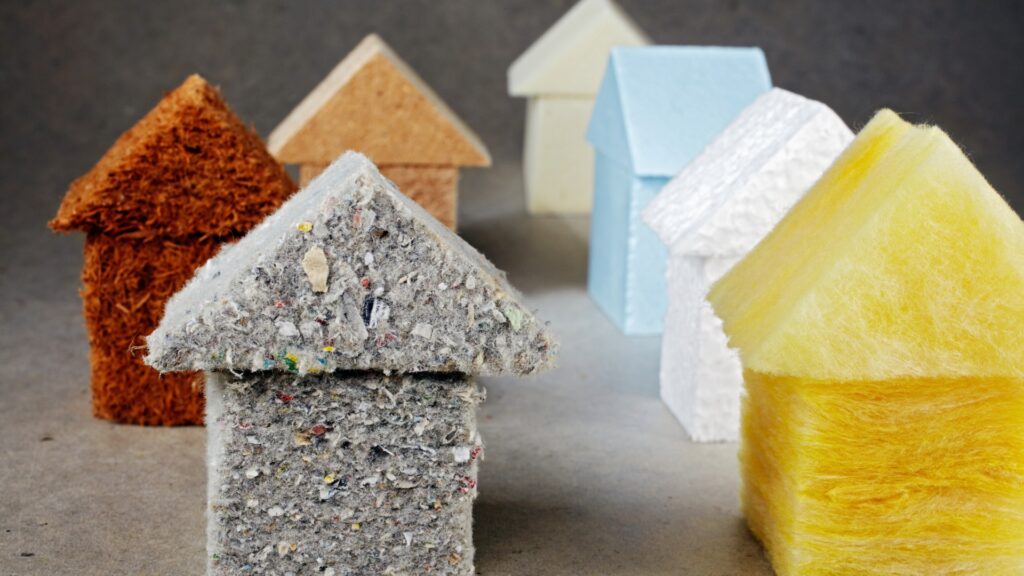
Right then, let’s chat about what you can actually put in your loft to keep the damp out and the warmth in. It’s not just a case of grabbing any old roll from the DIY shop, you know. Different materials do different jobs, and some are definitely better suited for our Devon climate than others.
Mineral Wool’s Thermal Properties
So, mineral wool – that’s your glass wool, rock wool, that sort of thing – is a really popular choice, and for good reason. It’s made up of loads of tiny fibres all tangled up, and these fibres trap air. It’s this trapped air that acts like a blanket for your house, stopping heat from just zipping out through the roof. It’s brilliant at keeping your home toasty in winter and surprisingly cool in the summer. Plus, it’s pretty good at muffling outside noise, which is always a bonus, and it’s fire-resistant too, which gives you a bit of extra peace of mind.
Natural Insulation Options For Eco-Conscious Homes
If you’re trying to be a bit kinder to the planet, there are some cracking natural insulation options these days. Think sheep’s wool, cotton, or even wood fibre. These materials are often breathable, which is a big deal when it comes to stopping condensation. They work by letting moisture vapour pass through them, rather than getting trapped and causing problems. It’s a bit like how your waterproof jacket works – keeps the rain out but lets your sweat escape. They might cost a bit more upfront, but they’re a great choice if you’re going for a greener home.
Effective Loose-Fill And Sheet Insulation
Beyond the rolls and batts, you’ve also got loose-fill insulation, which is often blown into place, filling all those nooks and crannies. This can be really effective, especially in older properties with awkward spaces. Then there are rigid sheets, which are great for specific areas where you need a bit more structure. When you’re picking, think about how easy it is to install, its thermal performance (usually measured by its lambda value – the lower the number, the better it insulates), and how it’ll hold up over time. You don’t want something that’s going to sag or get damaged easily, especially with the damp we can get here.
When choosing insulation, always check its ‘breathability’ rating. For older homes or those prone to damp, a breathable material can make a world of difference in preventing moisture build-up and subsequent mould growth. It allows the building to ‘breathe’ naturally.
Ensuring Optimal Loft Insulation Installation
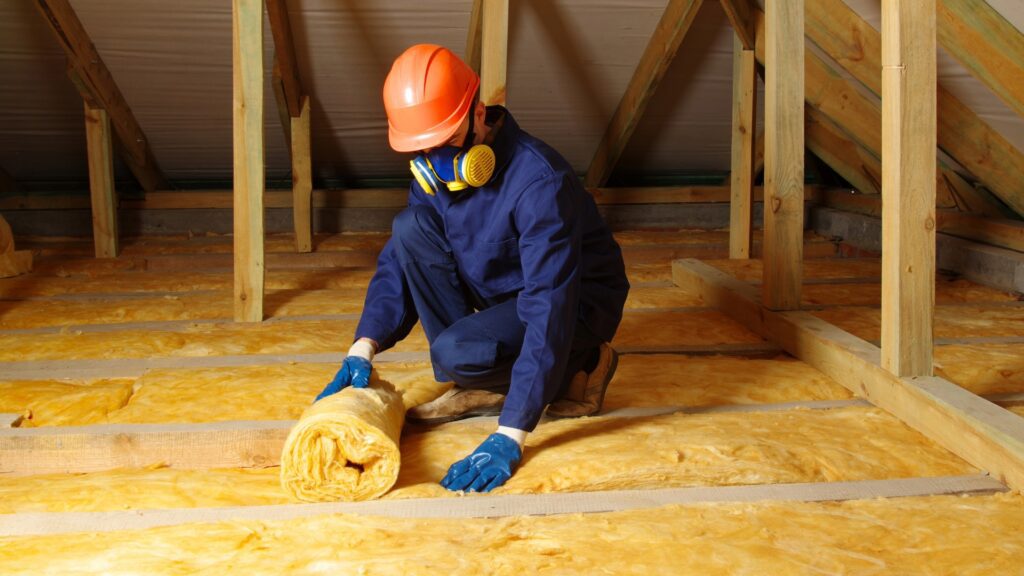
So, you’ve decided to get your loft insulated – brilliant! But just slapping some rolls of fibreglass up there isn’t always the best approach. Getting it done right is key, especially if you want to avoid damp and mould issues down the line. It’s not just about the material; it’s about how it’s put in place.
The Importance Of Professional Installation Services
Look, I know DIY is tempting, and sometimes it’s fine. But when it comes to loft insulation, especially in a place like Devon with its varied weather, it’s often worth calling in the pros. They know the ins and outs, like how much insulation to use and where to put it to get the best thermal barrier. Getting it wrong can actually make condensation worse, which is the last thing you want. Professionals also have the right tools and know how to handle materials safely. They’ll make sure everything is fitted snugly, with no gaps where heat can escape or cold air can sneak in.
Achieving Airtightness For Maximum Effectiveness
This is a big one. Insulation works by trapping air, but it also needs to stop air from moving freely through your loft space. Think of it like a cosy jumper – you want it to keep the warm air in. If there are gaps or drafts, that warm air escapes, and cold air gets in. This is where airtightness comes in. It means sealing up any little holes or cracks, especially around pipes, cables, and the edges of the loft floor. A good installer will pay attention to these details, using tapes and sealants to create a proper barrier. Without this, your insulation won’t perform as well as it should, and you might still get those pesky cold spots that can lead to condensation.
Considering Loft Hatch Insulation
Don’t forget the loft hatch itself! It’s often overlooked, but it can be a major source of heat loss and a cold bridge. If you’ve got a standard loft hatch, it’s probably not insulated at all. This means all that lovely warm air from your house can escape straight up into the loft. It’s like having a hole in your roof. You can get special insulated loft hatches, or you can add insulation to your existing one. This usually involves fitting rigid insulation boards to the back of the hatch and sealing the edges with draught-proofing strips. It’s a relatively simple step, but it makes a real difference to keeping your home warm and stopping that warm, moist air from getting into the loft space where it can cause problems.
Addressing Condensation And Mould In Lofts
Right then, let’s talk about that damp, musty smell that can sometimes creep into your loft. It’s a common issue, especially here in Devon with our lovely, often damp, climate. Condensation is basically water vapour from inside your home making its way up into the cooler loft space and turning back into liquid. If left unchecked, this can lead to all sorts of bother, most notably mould.
Identifying Causes Of Loft Condensation
So, what actually causes this dampness in the first place? It’s usually a combination of things. For starters, everyday activities like cooking, showering, or even drying clothes indoors release a lot of moisture into the air. If your home isn’t well-ventilated, this humid air can travel upwards. Older homes, in particular, might not be as airtight as newer ones, which can actually be a good thing for ventilation, but if you’ve recently upgraded insulation without considering airflow, you might have inadvertently trapped more moisture. Also, check your gutters and downpipes; if they’re blocked or damaged, they can let water into your walls, which then finds its way into the loft.
The Dangers Of Unchecked Condensation
Now, a bit of condensation now and then isn’t the end of the world, especially when the weather turns chilly. It often clears up on its own when things warm up. However, if it’s a persistent problem, that’s when you need to pay attention. That moisture is a perfect breeding ground for mould and mildew. This isn’t just unsightly; it can damage your roof timbers, insulation, and even affect the air quality in your home, which isn’t great for anyone’s health. We’re talking about potential respiratory issues and that persistent damp smell that’s hard to shift.
Ventilation Strategies To Combat Damp Air
So, how do we fight back against this dampness? Ventilation is your best mate here. Think of it as giving that moist air somewhere to go other than onto your cold loft surfaces.
- Keep vents clear: Make sure any existing vents, like air bricks, aren’t blocked by storage boxes or debris. Air needs to flow!
- Consider extra vents: If your loft doesn’t have enough vents, it might be worth looking into getting some installed. This makes a big difference.
- Insulate your loft hatch: Don’t forget the hatch itself! It’s a common weak spot where warm, moist air can sneak in. Insulating it helps create a better seal.
- Manage moisture sources: Try to use extractor fans when cooking or showering, and if you dry clothes indoors, open a window to let some of that steam escape.
Sometimes, the simplest solutions are the most effective. It’s about creating a balance – keeping your home warm and energy-efficient while also allowing it to breathe properly. If you’ve tried these steps and the problem persists, it might be time to call in a professional to have a proper look.
Loft Insulation Safety Standards
Selecting Appropriate and Safe Insulation Materials
When you’re thinking about insulating your loft, it’s not just about keeping the heat in; safety is a big part of it too. You want materials that are going to do the job without causing problems down the line. For instance, mineral wool is a popular choice because it’s pretty good with fire resistance, which is always a plus. It’s made up of fibres that trap air, making it a decent insulator. But, like with anything, you need to make sure it’s installed correctly. Some materials might need covering up to protect them from things like UV light or even pests, which can degrade them over time. It’s worth having a chat with the people fitting it to understand exactly what you’re getting and how it performs, especially regarding fire safety.
Maintaining Roof Integrity
Before you even think about insulation, it’s a good idea to check the condition of your roof. If there are any existing damp issues or leaks, you need to sort those out first. Putting insulation over a problem won’t fix it; it could actually make things worse by trapping moisture. Think of it like putting a plaster over a wound without cleaning it – not a good idea! You need to make sure the roof structure is sound and dry. This also means considering how the insulation might affect the roof’s ability to ‘breathe’. Some materials are more breathable than others, which helps moisture escape. If you trap moisture in the roof space, you’re asking for trouble with damp and mould.
Ensuring Proper Loft Ventilation
This is a really important one, especially in a damp climate like Devon’s. Proper ventilation in your loft is key to preventing condensation. Without it, warm, moist air from your home can rise into the cold loft space and turn into water droplets on cold surfaces. This is how mould starts to grow. You need to make sure there’s a way for air to circulate. This might involve vents at the eaves or ridge of the roof. The amount and type of ventilation needed can depend on your specific roof and how you’ve insulated it. Getting the ventilation right is just as important as the insulation itself for a healthy home.
It’s easy to focus just on the insulation material and how much it costs, but the safety aspects are non-negotiable. This includes making sure the materials themselves are safe to handle and won’t pose a fire risk, and also that the installation process doesn’t create new problems like damp or structural issues. Always follow recommended guidelines and get professional advice if you’re unsure about any part of the process.
When insulating your loft, it’s important to know about the safety rules. These guidelines help make sure the job is done right and keeps your home safe and warm. We follow all the necessary standards to give you peace of mind. Want to learn more about keeping your loft safe and sound? Visit our website today for all the details!
So, What’s the Takeaway?
Right then, it’s pretty clear that getting your loft sorted with decent insulation is a no-brainer, especially if you’re in Devon. It’s not just about keeping the heating bills down, though that’s a big plus. It’s really about making your home a healthier place to be. By stopping all that damp air from hanging around and turning into mould, you’re looking after your house and yourselves. So, if you’ve been putting it off, maybe now’s the time to get it done. A well-insulated loft means a warmer home, lower bills, and best of all, no nasty mould creeping about.
Frequently Asked Questions
Right, so what exactly is loft insulation and how does it stop mould?
Basically, loft insulation is like putting a cosy blanket in your attic! It’s made of materials that trap heat. This stops warm, moist air from your house getting up into the cold loft and turning into water droplets on the walls and ceiling. Less water means no food for mould!
Will I actually save money on my heating bills then?
Absolutely! Think of it this way: when your loft is insulated, the heat from your radiators stays in your living room instead of escaping through the roof. This means your boiler doesn’t have to work as hard, and you’ll notice a difference on your energy bills, especially during those chilly Devon winters.
What kind of insulation stuff is best to get?
There are a few options! You’ve got things like mineral wool, which is really good at trapping heat. Then there are more natural choices, like sheep’s wool or wood fibre, if you’re going for something eco-friendly. They also do rolls or loose stuff that can be blown into awkward spots.
Is it a big job to get it put in?
It can be, especially if you want it done properly. While you *could* try it yourself, it’s usually best to get professionals in. They know how to make sure it’s fitted perfectly, with no gaps, and they can get the job done pretty quickly, often in just a day.
My loft gets a bit damp sometimes, what’s the deal with that?
That dampness is usually condensation. It happens when warm, moist air from your home meets the cold surfaces in the loft. If you don’t sort out the ventilation, this moisture can lead to mould growing, which isn’t good for your health or your house.
So, besides insulation, what else can help keep my loft dry?
Good ventilation is key! Make sure air vents aren’t blocked and consider adding more if needed. Also, insulating your loft hatch is a smart move to stop heat escaping there. Sometimes, using a dehumidifier can help too, especially if you store things up there.