
Right, let’s talk about your loft. You know, that space above your head that’s supposed to be keeping your house warm and your bills down? Well, sometimes, old loft insulation can actually cause more problems than it solves, especially when it comes to damp. It’s a bit of a tricky situation, and if you’re seeing strange patches or feeling a chill, your insulation might be the culprit.
Key Takeaways
- Old loft insulation can trap moisture, leading to damp patches and potential mould growth, even if it wasn’t the original cause.
- Installation errors like blocked eaves, gaps, or compressed insulation are prime suspects for inviting old loft insulation damp.
- Different insulation materials have varying properties, but poor fitting or moisture management is the real danger zone.
- Look out for visual signs like compression, damp spots, or a sudden jump in your energy bills as indicators of failing insulation.
- Addressing old loft insulation damp involves more than just the insulation itself; it requires a look at ventilation and household humidity too.
Understanding The Link Between Old Loft Insulation And Damp
How Insulation Alters Your Loft’s Microclimate
So, you’ve gone and insulated your loft, thinking you’re doing your bit for the planet and your wallet. Great stuff! But sometimes, this brilliant idea can lead to a bit of an unexpected side effect: damp. It sounds a bit backward, doesn’t it? How can something designed to keep warmth in cause dampness? Well, it all comes down to how insulation changes the temperature and air movement up there.
When you add insulation, you’re essentially creating a barrier. This barrier is fantastic at stopping heat from your living space escaping into the loft. The result? Your living areas stay toasty, but your loft space itself gets a whole lot colder, especially during the winter months. Now, think about all the moisture we generate in our homes – from cooking, showering, even just breathing. This warm, humid air naturally rises. When it hits the much colder surfaces in your loft – like the roof timbers, the insulation itself, or the felt lining – it cools down. And when warm, moist air cools, it can’t hold as much water vapour. This excess moisture then condenses, turning into tiny water droplets. It’s this temperature difference that insulation creates, combined with rising household humidity, that can lead to damp issues if not managed properly.
The Role Of Household Humidity
We all produce moisture in our homes without really thinking about it. Things like taking long, hot showers, drying clothes on radiators (guilty!), or even just having a busy kitchen during meal prep all contribute to the humidity levels in your house. Normally, your home has ways of dealing with this, like natural air changes. But when you add loft insulation, you’re changing the game. That warm, damp air that rises up into the loft now has a much colder environment to meet. Instead of dissipating, it’s more likely to condense on those cooler surfaces. The more humid your home is, and the colder your loft becomes, the greater the chance of condensation forming. It’s a bit like breathing onto a cold window – you see the mist instantly. The same principle applies, just on a larger scale, in your loft.
Why Modern Insulation Isn’t The Direct Cause
It’s easy to blame the insulation itself when damp appears. But here’s the thing: modern insulation, when installed correctly, isn’t usually the culprit. The problem often lies in how it interacts with your home’s existing conditions and, more importantly, how it’s fitted. Think of it this way: insulation is like a blanket. A well-fitted blanket keeps you warm. But if that blanket has holes, or if it’s squashed into a corner, it won’t work as well. Similarly, gaps in your loft insulation, or areas where it’s been compressed (perhaps by storage boxes), create ‘cold spots’. These are prime locations for condensation to form. Also, if the ventilation in your loft is poor, that moisture has nowhere to go. So, while the insulation changes the environment, it’s often installation errors or a lack of proper airflow management that truly invite dampness in. It’s more about the system working together than the insulation being faulty on its own.
Installation Errors That Invite Old Loft Insulation Damp
Right, so you’ve decided to get your loft insulated, which is brilliant for keeping your house cosy and your energy bills down. But here’s the thing: how it’s put in matters. A lot. If the job’s not done properly, you can actually create more problems than you solve, and damp is a big one.
Blocked Eaves And Crushed Insulation
Think of your loft like a lung. It needs to breathe. The eaves, those little gaps where the roof meets the walls, are super important for airflow. If insulation is stuffed too tightly into these areas, or if things like storage boxes are piled up against them, you’re basically blocking the airways. This stops humid air from escaping, and where does that damp air go? It hangs around, cools down, and turns into condensation. It’s like putting a plaster over a vent – nothing good comes of it.
The Danger Of Gaps And Poor Sealing
When insulation isn’t fitted snugly, you end up with gaps. These aren’t just little annoyances; they’re highways for warm, moist air to travel up from your living space into the colder loft. When this air hits the cold surfaces up there, it condenses. It’s especially bad around things like light fittings, pipes, or the loft hatch itself. If these aren’t sealed up properly, you’re inviting moisture right in. It’s the small details that make the biggest difference here.
Neglecting Vapour Barriers
This is a biggie. A vapour barrier, usually a plastic sheet, is put on the warm side of the insulation (that’s the side facing your ceiling). Its job is to stop moisture from your home getting into the insulation and the roof structure in the first place. If this barrier is missing, damaged, or not installed correctly, warm, damp air can sneak through. This moisture gets trapped within the insulation, or worse, condenses on the cold timbers of your roof, leading to rot and mould over time. It’s a bit like trying to keep your tea warm with a sieve – it just doesn’t work.
Here’s a quick rundown of what can go wrong:
- Blocked Eaves: Insulation or storage items preventing airflow.
- Gaps: Unfilled spaces where insulation should be, allowing air movement.
- Poor Seals: Around hatches, pipes, and light fittings, letting moisture in.
- Missing/Damaged Vapour Barrier: Allowing humid air to penetrate the insulation.
The takeaway here is that even the best insulation material can be rendered ineffective, or worse, problematic, if the installation isn’t meticulous. It’s not just about filling the space; it’s about creating a system that manages heat and moisture correctly.
Material Properties And Their Impact On Damp
Right, so we’ve talked about how old insulation can cause problems, but what about the stuff itself? It’s not just about having insulation; it’s about what kind it is and how it’s been put in. Different materials behave differently when it comes to moisture, and a bit of a slip-up during installation can turn a good idea into a damp disaster.
Mineral Wool’s Breathability And Risks
Mineral wool, like fibreglass or rock wool, is pretty common. It’s decent at trapping heat, and generally, it lets moisture vapour pass through it. This ‘breathability’ can be a good thing, as it means trapped moisture can escape. However, it’s not foolproof. If you squash mineral wool – maybe by storing boxes on it or if it’s just settled over time – it loses its loft and its insulating power. This squashed bit becomes a ‘cold bridge’, and that’s where condensation loves to form. Plus, if the vapour barrier (that plastic sheet you should have on the warm side of the insulation) isn’t fitted perfectly, moisture from your rooms can get into the wool and get stuck, leading to dampness deep within the material.
Foam Boards And The Challenge Of Gaps
Foam boards, like PIR or XPS, are a bit different. They’re rigid and have a really good insulating value for their thickness. The big issue here is gaps. If these boards aren’t cut precisely to fit every nook and cranny, you end up with little air gaps around the edges. Warm, moist air from your house can then sneak through these gaps and hit the cold roof timbers. Because the foam itself doesn’t breathe much, any moisture that gets trapped behind it can’t easily escape. This can lead to condensation forming on the timbers, and over time, that can cause rot. Getting a perfect seal with foam boards is absolutely key.
Blown Cellulose And Moisture Migration
Blown cellulose, often made from recycled paper treated for fire resistance, is great for filling awkward spaces. It can get into all the nooks and crannies, which sounds ideal. But, it can settle over time, meaning the insulation layer gets thinner in places. More importantly, cellulose can absorb moisture. If there’s a leak or significant condensation, it can soak up a lot of water. The real worry is how moisture can travel through the cellulose. If one part gets wet, the dampness can spread to other areas, potentially carrying mould spores with it. Again, a properly installed vapour barrier is your best friend here to stop moisture getting in from your living space in the first place.
Here’s a quick look at how they stack up:
| Material Type | Breathability | Main Installation Risk |
|---|---|---|
| Mineral Wool | High | Compression, gaps, vapour barrier failure |
| Foam Boards | Low | Gaps between boards, poor sealing |
| Blown Cellulose | Medium | Settling, moisture absorption and migration, vapour barrier failure |
Ultimately, no insulation material is completely ‘damp-proof’. The way it’s installed, and how well it’s protected from moisture sources, plays a much bigger role than the material itself in preventing damp issues.
Recognising The Signs Of Failing Loft Insulation
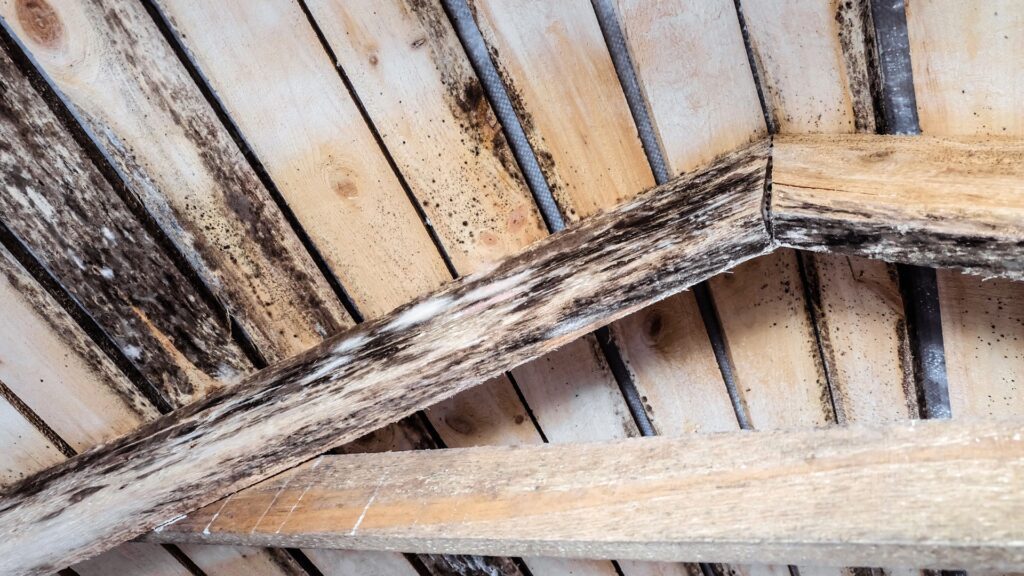
Right, so your loft insulation might be getting on a bit. It’s not always obvious when it’s stopped doing its job properly, but there are definitely clues. Ignoring these signs can lead to all sorts of bother, from chilly rooms to damp patches appearing where you really don’t want them.
Visible Compression And Damp Patches
One of the most straightforward ways to tell if your loft insulation is past its best is to have a good old look. If you see that the fluffy stuff has gone flat, especially in areas where you might have walked or stored things, it’s not insulating like it should. Compressed insulation loses a massive chunk of its effectiveness, sometimes by as much as half if it’s squashed down significantly. You might also notice it looking a bit clumpy or even damp. This is a big red flag. Damp insulation is pretty useless at keeping heat in, and it can also become a breeding ground for mould, which is definitely not good for your health or your home’s structure. If you spot any dark patches or feel a clammy texture when you touch the insulation, it’s a clear sign moisture is getting in. This could be from condensation or even a small roof leak that’s gone unnoticed. It’s worth checking the roof timbers and felt for tiny droplets or a sheen, too, as these are early indicators of moisture build-up. If you’re seeing these signs, it might be time to consider professional removal of old insulation.
Increased Energy Bills As A Warning
Has your heating bill suddenly shot up, even though you haven’t changed your habits or the energy prices have stayed the same? That’s a classic warning sign that your loft insulation isn’t performing as it should. When insulation degrades, gets compressed, or becomes damp, it loses its ability to trap heat. This means your boiler has to work harder and longer to keep your home warm, which directly translates to higher energy consumption and, you guessed it, bigger bills. It’s like trying to keep a hot water bottle warm with a thin tea towel – it just doesn’t work. If you’ve noticed a consistent upward trend in your heating costs over the last year or two, and there’s no other obvious reason for it, your loft insulation is a prime suspect.
The Age Of Your Insulation Matters
Let’s be honest, most of us don’t know exactly when our loft insulation was put in. If your house is a bit older, there’s a good chance the insulation is too. While some modern materials are built to last for decades, older types can degrade over time. Even if it looks okay on the surface, the material might have lost its loft (pun intended!) and its ability to insulate effectively. Experts often suggest checking your loft insulation every five to seven years. If yours is over 15 years old, or you simply can’t remember when it was last looked at, it’s probably worth getting it checked out. Think of it like car tyres; they might look fine, but their grip and performance diminish with age and wear. Old insulation might not meet current building standards for energy efficiency either, so even if it’s technically still there, it might not be doing enough to keep your home cosy and your bills down.
Here are some common signs to look out for:
- Visible compression: Insulation looking flat or squashed, especially under floorboards or storage.
- Damp patches: Dark spots or a clammy feel to the insulation material.
- Musty odours: A persistent, earthy smell in the loft space.
- Increased energy bills: A noticeable rise in heating costs without a change in usage.
- Age: Insulation that is over 15-20 years old may have lost its effectiveness.
If you notice any of these issues, it’s a good idea to get a professional to take a look. They can assess the condition of your insulation and advise on the best course of action, whether that’s topping it up or a full replacement. Ignoring these signs can lead to more significant problems down the line, like mould growth or structural damage.
| Symptom | Potential Cause | Action to Take |
|---|---|---|
| Flat or compressed insulation | Weight of storage, foot traffic, material age | Inspect for damage, consider professional advice |
| Damp spots on insulation | Condensation, roof leaks, poor ventilation | Check ventilation, look for roof damage, get survey |
| Rising energy bills | Degraded, insufficient, or poorly installed insulation | Assess insulation condition, consider upgrade |
Pinpointing Moisture Sources Beyond Insulation
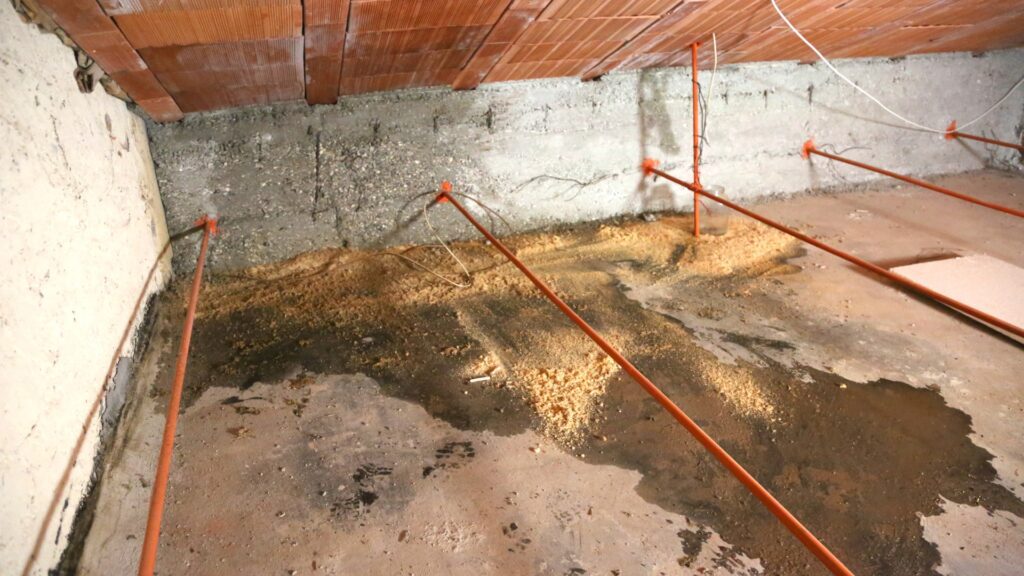
Right, so we’ve talked a lot about insulation itself, but sometimes the damp isn’t directly the insulation’s fault. It’s more like the insulation is just highlighting a problem that was already brewing, or a new one that’s popped up.
Lifestyle Factors And Humidity Levels
Think about what goes on in your house day-to-day. Are you a fan of long, steamy showers? Do you often dry your clothes on radiators inside? These activities pump a surprising amount of moisture into the air. This humid air then naturally rises. If your loft isn’t properly ventilated, or if there are gaps, this moisture can get trapped up there. When it hits the cooler surfaces of your loft, especially in winter, it condenses. It’s like your house is breathing out, and the loft is catching all that breath.
Here’s a quick look at how common household activities can add up:
- Cooking: Boiling water, simmering sauces – all release steam.
- Bathing/Showering: A hot shower can release litres of water vapour.
- Drying Clothes Indoors: Especially without good ventilation, this is a big one.
- Breathing: Yep, even us just existing adds moisture to the air!
Inadequate Ventilation Strategies
This is a biggie. Your loft needs to breathe. If the eaves are blocked, or if vents are covered up (sometimes by old insulation itself!), then humid air has nowhere to go. It gets stuck. This is where you see condensation forming on the underside of the roof felt or on the timbers. It’s not necessarily the insulation’s fault, but rather a lack of airflow. Proper ventilation helps to keep the air moving, preventing that moisture from settling and causing problems. It’s about creating a pathway for the moisture to escape safely, rather than letting it build up. You might need to look into roof ventilation solutions if this is an issue.
The Importance Of A Moisture Pathway Review
Before you start messing with insulation, or if you’re already seeing damp, it’s a really good idea to get a professional to look at the whole picture. They can figure out exactly where the moisture is coming from and how it’s getting into your loft. This isn’t just about insulation; it’s about understanding how your house works as a system. They’ll check for things like leaks, condensation points, and how your ventilation is set up. It’s about making sure that when you do upgrade your insulation, you’re not just trapping existing problems or creating new ones. A good survey can save you a lot of hassle and money down the line.
Sometimes, the simplest explanation is the right one. We often focus on the big ticket items like insulation, but overlooking the smaller details like how we dry our clothes or whether our vents are clear can lead to bigger issues. It’s about looking at the whole house, not just one part.
Getting a professional survey can help identify these hidden issues before they become major problems. They can assess your property’s specific moisture profile, ensuring that any insulation work is part of a broader, effective moisture management plan.
Protecting Your Property From Old Loft Insulation Damp
The Benefits Of Professional Surveys
Right, so you’ve got your loft insulated, or you’re thinking about it. Great for keeping the bills down, but what if it all goes a bit pear-shaped and you end up with damp? It’s not the insulation itself that’s usually the villain, but how it’s put in, or what’s already going on up there. Before you even think about slapping more insulation in, or if you’re already seeing dodgy patches, getting a pro to have a proper look is a really good shout. They can spot things you’d never notice, like where moisture might be sneaking in from elsewhere or if your current setup is just asking for trouble.
Think of it like this: you wouldn’t get a fancy new engine for your car without checking if the chassis is sound, would you? Same idea applies here. A surveyor can check for things like:
- Any existing moisture issues you might not be aware of.
- How well your current ventilation is working (or not working).
- Whether your loft’s structure is ready for insulation.
- Potential problem areas like blocked eaves or poorly sealed hatches.
Getting a professional survey is your first line of defence against turning a simple insulation job into a damp disaster. It’s about understanding the whole picture, not just one part of it.
Integrating Insulation With Airflow Management
Insulation is brilliant at keeping heat in, but it can also trap moisture if you’re not careful. The key is to make sure that any humid air that does make its way up into the loft has a clear path to escape. This is where airflow management comes in. You don’t want your loft to become a stagnant, damp box.
Here’s what to look out for:
- Clear Eaves: Make sure the insulation isn’t blocking the vents at the eaves. These are super important for letting air circulate. Sometimes, insulation can sag or be packed too tightly, completely shutting off this vital airflow.
- Ventilation Points: Beyond the eaves, think about other potential ventilation points. Are there any soffit vents or ridge vents that need to be kept clear? Even small obstructions can make a difference over time.
- Vapour Control: Depending on your roof structure and insulation type, you might need a vapour barrier. This stops warm, moist air from your living space getting into the insulation in the first place, where it could condense.
It’s all about creating a system where heat stays in your living space, but moisture can get out of your loft. If you just focus on insulation without thinking about how air moves, you’re asking for trouble.
Future-Proofing Your Loft Investment
So, you’ve got your insulation sorted, and you’ve made sure the airflow is decent. What next? Well, it’s not really a ‘set it and forget it’ kind of job. Lofts can change, and so can how we use our homes. Thinking ahead is the best way to make sure your insulation investment keeps paying off without causing headaches down the line.
- Regular Checks: Schedule a quick look in your loft every year or two. It doesn’t take long to spot any signs of damp, mould, or insulation that’s started to sag or get compressed. Catching things early is always easier and cheaper.
- Monitor Humidity: If you’re really keen, you could even get a simple humidity monitor for your landing or hallway. If you notice humidity levels creeping up consistently, it might be a sign that something needs adjusting, perhaps with your bathroom fans or kitchen extractor.
- Consider Future Needs: Are you planning any major renovations? Will you be using the loft for storage more often? Think about how these changes might affect airflow or put pressure on the insulation. It’s better to plan for these things now than deal with a damp problem later.
Old loft insulation can lead to damp problems in your home. This can cause damage and make your house unhealthy. Don’t let this happen to your property. We can help you sort it out. Visit our website to find out more about how we can protect your home.
So, What’s the Takeaway?
Right then, hopefully, this has given you a bit of a clearer picture. Loft insulation is brilliant for keeping your home cosy and saving a few quid on bills, but it’s not a ‘fit and forget’ job. If it’s old, squashed, or just not fitted right, it can actually cause more problems, especially with damp. It’s all about making sure there’s a good balance – keeping the heat in downstairs but letting any moisture escape from the loft itself. So, if you’re seeing any damp spots or your energy bills are creeping up, it might be worth having a proper look in the loft. Sometimes a simple check can save you a lot of hassle and expense down the line. Don’t just assume it’s fine; give it a once-over, and if in doubt, get a professional to have a gander.
Frequently Asked Questions
So, how exactly does loft insulation cause damp?
Think of it like this: insulation traps the warm air in your rooms, which is great for saving energy! But it also means your loft gets much colder. When warm, steamy air from your kitchen or bathroom drifts up, it hits these cold surfaces in the loft and turns into water droplets. It’s not the insulation itself causing the problem, but rather how it changes the temperature and moisture balance up there.
Can old insulation be worse than no insulation at all?
Not necessarily worse, but definitely less effective and potentially more problematic. Old insulation might have sagged, become compressed, or even got wet over time. If it’s compressed, it creates cold spots where damp can form. If it’s damp, it loses its ability to insulate and can even encourage mould growth. Plus, it just won’t keep your home as warm as it should.
What are the tell-tale signs that my loft insulation is failing and might be causing damp?
Keep an eye out for a few things. You might notice damp patches appearing on your ceiling, especially near the loft hatch or around light fittings. Your energy bills could also creep up unexpectedly because the insulation isn’t doing its job properly. Sometimes, you might even see visible signs of compression or dirt on the insulation itself if you take a peek.
Are gaps and poor fitting really that big a deal?
Absolutely! Gaps and poorly fitted insulation are like open invitations for damp. If there are gaps, warm, moist air can easily sneak into the loft and condense. Think of it like trying to keep a room warm with a window left wide open – it just doesn’t work. Proper sealing and making sure the insulation fills every nook and cranny is super important.
I’ve heard about vapour barriers. Why are they important with loft insulation?
A vapour barrier is like a special film that stops moisture from getting into your insulation. When warm, humid air from your home rises, the barrier stops it from reaching the cold insulation and turning into water. Without one, that moisture can get trapped, leading to dampness and mould, especially in older homes or those with higher humidity levels.
Besides insulation problems, what else could be causing damp in my loft?
Lots of things! Your daily habits play a role – like drying clothes indoors or having long, steamy showers without good ventilation. Blocked vents or eaves that stop air from flowing freely can also be a big culprit. Sometimes, it’s just a case of needing better airflow management in your loft space to let any moisture escape naturally.