
Right then, let’s talk about keeping your house snug and saving a few quid on those energy bills. Loft insulation is a biggie, and if you’ve been looking into it, you’ve probably seen a few options. We’re going to chat about SuperFOIL loft insulation, a bit of a modern marvel that seems to be solving a few problems other types of insulation create, especially when it comes to damp and, rather importantly, getting a mortgage.
Key Takeaways
- SuperFOIL loft insulation uses a clever multi-layer design with reflective foil to bounce heat back into your home, keeping it warm in winter and cooler in summer.
- Unlike some other insulations, SuperFOIL is breathable, meaning it lets moisture escape, which is key to preventing damp, mould, and rot in your roof timbers.
- Because it’s breathable and doesn’t cause the issues often linked with spray foam, SuperFOIL loft insulation is generally accepted by mortgage lenders, protecting your property’s value.
- The installation process for SuperFOIL is straightforward and clean, and importantly, it’s reversible, unlike spray foam which bonds permanently.
- SuperFOIL loft insulation is certified to meet UK building regulations, giving you confidence that it’s a safe and effective choice for your home.
Understanding SuperFOIL Loft Insulation
The Multi-Layered Construction Explained
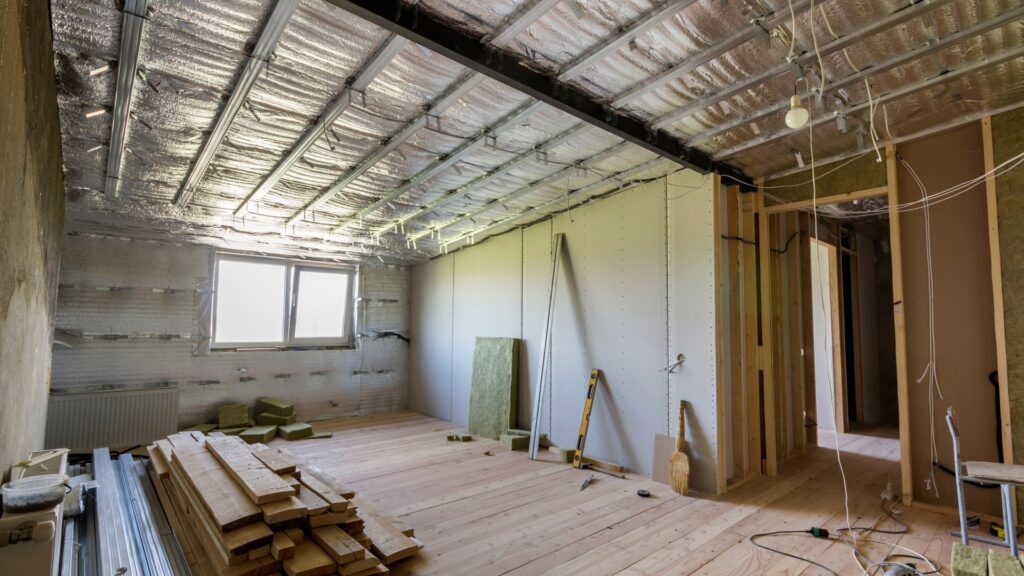
Right then, let’s get stuck into what SuperFOIL actually is. Forget those dusty old rolls of fibreglass; this is something a bit different. SuperFOIL is basically a clever sandwich of different materials, all working together to keep your loft cosy and dry. It’s not just one thing; it’s a whole system.
At its heart, it’s made up of several layers. You’ve got these shiny foil bits on the outside – they’re pretty important for bouncing heat back where it belongs. Then there are layers of special foam and sometimes wadding in between. Each bit has a job: the foil reflects heat, the foam insulates against heat escaping through conduction, and the wadding helps stop cold spots and makes the whole thing work even better. This layered approach means it’s really thin but packs a serious punch when it comes to insulation. It’s a much cleaner and more straightforward way to insulate compared to some other methods out there.
How SuperFOIL Reflects Radiant Heat
So, how does this shiny stuff actually work? A big chunk of heat loss in homes isn’t just about cold air seeping in; it’s also about heat trying to escape as radiation. Think of it like the heat from a radiator – it travels through the air. SuperFOIL’s foil layers are designed to be really good at bouncing this radiant heat straight back into your home. In winter, this means less heat escapes through the roof, so your heating system doesn’t have to work as hard. In summer, it does the opposite – it reflects the sun’s heat away, helping to keep your loft and the rooms below much cooler. It’s a bit of a win-win, really.
The Importance of Breathability in Loft Spaces
This is a big one, and honestly, it’s where a lot of other insulation types can cause headaches. Your house, and especially your roof space, needs to be able to ‘breathe’. This means allowing moisture – the kind that comes from cooking, showering, even just us breathing – to escape. If moisture gets trapped, it can lead to condensation, damp, and eventually, rot in your roof timbers. SuperFOIL is designed to be breathable. It lets water vapour pass through it, so it can escape the building naturally. This is super important for keeping your roof timbers healthy and preventing those nasty damp problems that can crop up. It’s a simple concept, but it makes a massive difference to the long-term health of your home.
Addressing Damp and Condensation Concerns
Right, let’s talk about damp and condensation in your loft, because honestly, it’s a bit of a nightmare if you get it wrong. Traditional UK roofs are actually designed to let a bit of air and moisture move through them – it’s how they stay healthy. But when you seal everything up with certain types of insulation, that natural airflow stops dead. This is where problems can start to creep in.
Preventing Moisture Build-Up with SuperFOIL
SuperFOIL works differently. Because it’s a breathable material, it doesn’t trap moisture against your roof timbers. Think of it like your roof being able to breathe a sigh of relief. This is super important because it stops condensation from forming and sitting there, which is the main culprit behind a lot of loft issues. It’s a simple concept, really: keep the moisture moving, don’t let it get stuck.
The Risks of Trapped Moisture with Other Insulations
Now, some other insulation methods, like certain spray foams, create a really airtight seal. While that sounds good for stopping drafts, it can actually be a big problem. If any moisture gets into the roof space – and it always does, from inside the house or even from outside – it can get trapped against the timbers. This constant dampness is a breeding ground for trouble.
- Timber Decay: Wood doesn’t like being wet all the time. It starts to break down.
- Rot and Mould: This damp environment is perfect for rot and mould to set in.
- Structural Weakness: Over time, this can seriously weaken the timbers that hold your roof up.
It’s a bit like wrapping your house in cling film; it stops fresh air getting in and out, and anything damp gets stuck. This is why choosing a breathable insulation is so vital for the long-term health of your home.
Protecting Roof Timbers from Rot and Decay
So, how does SuperFOIL help protect those precious roof timbers? Well, by allowing moisture vapour to pass through, it prevents that nasty build-up that leads to rot and decay. It’s a bit like having a smart barrier that lets the bad stuff out but keeps the good stuff (like warmth) in. This means your roof timbers stay dry and sound, year after year. It’s a much safer bet than insulation that seals everything up tight and potentially hides problems until they become really serious and expensive to fix.
Superior Thermal Performance
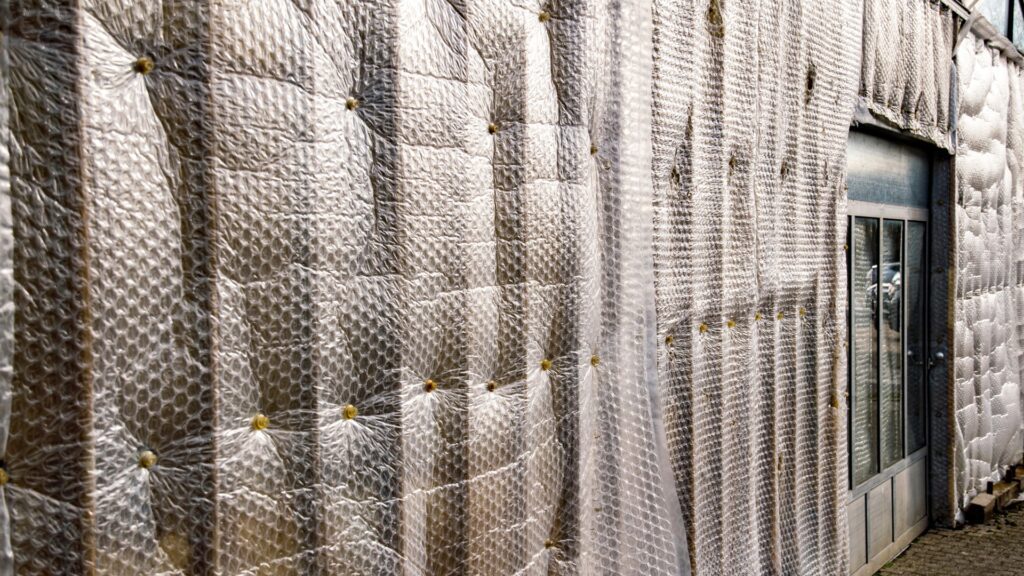
Right then, let’s talk about keeping your house toasty in winter and, surprisingly, cooler in summer. It sounds a bit like magic, but it’s all down to how SuperFOIL works its thermal socks off.
Keeping Homes Warm in Winter
This is where SuperFOIL really shines. A big chunk of heat loss in your home doesn’t just sneak out through the walls; a lot of it bounces around as radiant heat. Think of it like the sun’s rays warming you up – that’s radiation. SuperFOIL’s shiny outer layers are brilliant at bouncing this heat back into your rooms. So, instead of your expensive heating just escaping into the loft, it gets reflected back down where you need it. This means your boiler doesn’t have to work quite so hard, saving you money on your energy bills. It’s like giving your home a cosy, reflective blanket.
Maintaining Cooler Temperatures in Summer
It’s not just about winter warmth, though. The same reflective trick works in reverse when the sun’s beating down. That radiant heat from the sun hitting your roof gets bounced away by the SuperFOIL, stopping your loft from turning into an oven. This helps keep the rooms below much more comfortable, meaning you might not need to crank up the air conditioning quite so much. It’s a win-win, really.
Achieving Energy Efficiency Goals
So, what does all this thermal wizardry mean for your energy bills and the planet? Well, by reducing both heat loss in winter and heat gain in summer, SuperFOIL makes your home much more energy-efficient. You’re using less energy to heat and cool your home, which is good for your wallet and also reduces your carbon footprint. It’s a straightforward way to make a real difference.
Here’s a quick look at how it helps:
- Reflects Radiant Heat: Stops heat escaping in winter and entering in summer.
- Reduces Conduction & Convection: The layers within SuperFOIL slow down heat transfer.
- Improves Airtightness: When fitted correctly, it helps stop draughts, keeping conditioned air inside.
The clever multi-layer design means SuperFOIL doesn’t just rely on one method of insulation. It tackles heat transfer from multiple angles, making it a really effective all-rounder for keeping your home at a comfortable temperature all year round.
The Mortgage-Friendly Alternative
Right, let’s talk about something that might not seem super exciting at first glance, but it’s actually a pretty big deal when you’re thinking about selling your house or remortgaging: your loft insulation. It turns out, not all insulation is created equal in the eyes of mortgage lenders. Some types can actually make it harder to get a mortgage, which is a bit of a nightmare scenario.
Why Lenders Prefer SuperFOIL Loft Insulation
This is where SuperFOIL really shines. Unlike some other methods, SuperFOIL is pretty much universally accepted by mortgage providers. Why? Because it’s seen as a standard, safe improvement that adds value to your home. Surveyors can easily inspect the roof timbers and structure, so there are no hidden nasty surprises. It’s a straightforward, reliable way to insulate that doesn’t raise any red flags. It’s the kind of upgrade that makes your property more attractive, not less.
Avoiding the ‘Mortgage Trap’ of Spray Foam
You might have heard about spray foam insulation. It was quite popular for a while, promising to seal up every nook and cranny. However, it’s created a bit of a problem for homeowners. Many lenders are now hesitant to offer mortgages on properties with spray foam. This is mainly because it can trap moisture against the roof timbers, potentially leading to rot, and it makes it impossible for surveyors to properly check the condition of the roof structure. This can leave you stuck in what’s often called a ‘mortgage trap’, where selling or remortgaging becomes a real headache. It’s a bit like buying a car without being able to check under the bonnet – lenders just don’t like the uncertainty.
Protecting Your Property’s Value
Choosing the right insulation is more than just about keeping warm; it’s about protecting your biggest investment. When you opt for SuperFOIL, you’re choosing a solution that’s recognised and approved. It means your property’s value is maintained, and you won’t face unexpected issues when it comes time to move on or refinance. It’s a sensible choice for the long term, avoiding the potential financial pitfalls that other insulation types can bring. For more information on how SuperFOIL works, check out our detailed FAQ.
Here’s a quick rundown of how SuperFOIL stacks up:
- Lender Acceptance: Generally accepted by all major UK mortgage providers.
- Surveyor Friendly: Allows for easy inspection of roof timbers and structure.
- Property Value: Helps maintain and potentially increase your home’s market value.
- No Hidden Risks: Avoids the moisture and concealment issues associated with spray foam.
The decision you make about loft insulation can have a significant knock-on effect on your finances down the line. It’s worth taking the time to understand the implications, especially when it comes to selling or remortgaging. A little bit of research now can save a lot of hassle later.
Installation and Reversibility Benefits
Right, let’s talk about actually getting this SuperFOIL stuff into your loft. Honestly, compared to some other options out there, it’s a doddle. You don’t need a degree in engineering or a team of builders to get it sorted.
Simple and Clean Fitting Process
Forget the mess and the dust you get with some insulation types. SuperFOIL is pretty straightforward to fit. It’s lightweight, flexible, and you can cut it with basic tools like scissors or a sharp knife. It basically staples up to the rafters. This means less disruption for you and your household. It’s a much cleaner job overall, which is always a bonus when you’re having work done at home. The whole process is designed to be efficient, saving you time and hassle. For a homeowner in Plymouth, upgrading their loft insulation was completed in just one day, showing the speed of the installation process.
The Ease of Removing SuperFOIL
This is a big one, especially if you’re thinking about the future. Unlike spray foam, which essentially becomes a permanent, bonded part of your roof structure, SuperFOIL is designed to be reversible. What does that mean? Well, if you ever need to get up there for maintenance, like fixing a leaky tile or checking on your roof timbers, you can simply un-staple and remove the SuperFOIL. Then, you can put it right back where it was afterwards, good as new. No damage, no fuss. This reversibility is a massive plus point.
Comparing Installation to Spray Foam
When you look at spray foam insulation, it’s applied as a liquid that expands and hardens, sticking to everything. Removing it later is a nightmare. It’s a destructive, time-consuming, and often expensive job that can even damage your roof timbers if not done by specialists. SuperFOIL, on the other hand, is mechanically fixed. It’s a much more sensible approach for homeowners.
Here’s a quick rundown:
- SuperFOIL: Staples on, easy to remove and refit, clean process.
- Spray Foam: Sprayed on, permanently bonds, very difficult and costly to remove.
- Traditional Insulation (e.g., fibreglass): Can be dusty, bulky, and sometimes tricky to fit into awkward spaces.
The key takeaway here is that SuperFOIL offers a modern, effective insulation solution without locking you into a potentially problematic situation down the line. It’s about smart, practical choices for your home.
Compliance and Certification Assurance
Meeting UK Building Regulations
When you’re looking at loft insulation, especially something like SuperFOIL, you want to know it’s actually up to scratch with all the official rules. It’s not just about keeping your house warm; it’s about making sure it’s safe and meets the standards set out by the UK government. SuperFOIL has been tested and certified to meet these UK Building Regulations, which covers things like how well it insulates (your U-values) and how it performs in a fire. This means you’re not just guessing; you’re using a product that’s been checked and approved. It takes away a lot of the worry about whether you’re doing things right.
The Significance of LABC Certification
One of the big green ticks you’ll see with good quality multifoil insulation, like SuperFOIL, is LABC certification. LABC stands for Local Authority Building Control. Getting this certification means the product has gone through a thorough assessment by an independent body. They check that it complies with the Building Regulations. It’s a bit like getting a stamp of approval that says, ‘Yep, this is good to go and safe to use.’ For homeowners, this is really important because it gives you confidence that you’re installing something that’s been properly vetted. It also makes things much smoother if you ever need to sell your house, as surveyors and mortgage lenders recognise this certification.
Peace of Mind with Tested Products
Ultimately, all this testing and certification boils down to peace of mind for you. You’re investing in your home, and you want to be sure you’re using materials that are effective and won’t cause problems down the line. SuperFOIL’s compliance with UK standards and its LABC certification mean it’s a product you can trust. It’s a far cry from some of the less regulated options out there that can cause headaches later on. Knowing your insulation is tested, certified, and meets all the necessary regulations just makes the whole process feel more secure. It’s about making a smart choice for your home’s future.
We make sure our work meets all the required standards and has the right approvals. You can trust that everything is done correctly and safely. Want to know more about our quality checks? Visit our website today!
So, What’s the Verdict?
Right then, after all that chat about damp, heat loss, and dodgy insulation, it’s pretty clear that SuperFoil is a solid choice for your loft. It’s not just about keeping the bills down, though that’s a big plus. It’s about looking after your house, making sure it’s healthy and won’t cause you headaches down the line, especially if you ever think about selling up. Unlike some of the more problematic options out there, SuperFoil seems to tick all the right boxes – it’s effective, it lets your roof breathe, and crucially, it won’t get you into a tangle with mortgage lenders. So, if you’re fed up with a chilly house or worried about moisture, giving SuperFoil a look seems like a really sensible move.
Frequently Asked Questions
What exactly is SuperFOIL loft insulation?
Think of SuperFOIL as a clever sandwich for your loft! It’s made of several thin layers stacked together. Some layers are shiny foil that bounces heat back, while others are like a cosy filling that stops heat from escaping. It’s much thinner than traditional insulation but works really well to keep your home warm in winter and cool in summer.
Will SuperFOIL help with damp in my loft?
Definitely! Unlike some other types of insulation that can trap moisture, SuperFOIL lets your roof ‘breathe’. This means any damp air can escape, stopping condensation from forming. This is super important for keeping your roof timbers healthy and preventing mould.
Is SuperFOIL a good choice if I want to sell my house or get a mortgage?
Yes, it’s a big plus! Many mortgage lenders and surveyors like SuperFOIL because it doesn’t cause the problems that spray foam insulation can. It’s seen as a safe and standard way to insulate, so it won’t cause issues when you want to sell or remortgage your home.
How is SuperFOIL different from spray foam insulation?
The main difference is breathability and how it’s fitted. SuperFOIL lets moisture escape, keeping your roof healthy. Spray foam seals everything and can trap damp, leading to rot. Plus, SuperFOIL is fitted by stapling and can be removed if needed, whereas spray foam is permanent and tricky to get rid of.
Is SuperFOIL difficult to install?
Not at all! It’s designed to be pretty straightforward to fit. It’s flexible and can be cut easily, so it doesn’t take up loads of time or make a huge mess. It’s a much simpler job compared to some other insulation methods.
Does SuperFOIL meet UK building rules?
Absolutely. SuperFOIL is tested and approved to meet all the important UK building regulations. It’s often certified by bodies like LABC, which means you can be sure it’s safe, effective, and meets the standards for thermal performance and fire safety.