
Ever walk into a room and it just feels… chilly, even when the heating is on? Or maybe you’ve noticed a faint, damp smell hanging around, especially when you go up to the loft? These aren’t just random annoyances. They can actually be your home’s way of telling you that your loft insulation isn’t doing its job properly. It’s easy to forget about what’s going on up there, but your insulation plays a massive role in keeping your home cosy and dry. Let’s have a look at some of the tell-tale signs that suggest it’s time to pay attention to your loft.
Key Takeaways
- Cold ceilings and rooms that never seem to warm up are big clues that your loft insulation is lacking, letting all that precious heat escape.
- That persistent musty smell isn’t just unpleasant; it’s often a sign of condensation building up in the loft, which poor insulation can make worse.
- Damp insulation is a breeding ground for mould, and dealing with poor loft insulation mould can lead to health problems and damage to your home.
- Look out for visible signs of moisture like dark stains, damp patches on ceilings, or even rot in the roof timbers – these all point to insulation issues.
- Fixing inadequate loft insulation isn’t just about comfort; it can significantly cut your energy bills and protect your home’s structure from long-term damage.
The Unseen Signs of Poor Loft Insulation
Right then, let’s talk about those sneaky little clues that your loft insulation might be having a bit of a kip instead of doing its job. You might not think about your loft insulation much, but when it’s not up to scratch, it can cause all sorts of bother you wouldn’t immediately link to it.
Cold Ceilings and Uneven Room Temperatures
Ever walked into a room and it just feels… off? Like one corner is a bit nippy even when the heating’s on full blast? Or maybe you’ve noticed that the ceiling itself feels colder than the rest of the room, especially in winter. This is a biggie. It often means that the heat from your living space is just zipping straight up through the ceiling and out into the loft, because there’s not enough insulation to stop it. It’s like having a leaky roof, but for heat! You might find yourself cranking up the thermostat, only for some rooms to stay stubbornly chilly while others are boiling. It’s a real pain and, as you can imagine, it’s not doing your energy bills any favours either.
The Pervasive Musty Odour
Now, this one’s a bit more subtle, but if you’ve started noticing a damp, musty smell creeping around your house, especially when you go upstairs or near the loft hatch, it’s worth investigating. This isn’t just an old house smell; it’s often a sign that moisture is getting trapped somewhere it shouldn’t be. Poorly performing insulation can lead to condensation forming, and where there’s damp, mould isn’t far behind. That stale, earthy smell is usually the first hint that something’s not quite right up in the roof space. It’s your house giving you a little nudge that it’s feeling a bit damp and unhappy.
Visible Signs of Moisture and Damp
Sometimes, the signs aren’t so subtle. If you’re spotting little damp patches on your ceilings, especially near the edges or corners, or even water stains that seem to appear out of nowhere, that’s a definite red flag. In winter, you might even see icicles forming along the edge of your roof, which can happen when heat escapes the loft and melts snow, only for it to refreeze at the colder edges.
These aren’t just cosmetic issues. They’re indicators that moisture is getting into your roof structure, which can lead to more serious problems down the line, like rot in the timbers or damage to your roof itself. It’s always better to catch these things early.
If you’re noticing any of these issues, it’s a good idea to get your loft insulation checked out. Getting proper loft ventilation sorted can make a world of difference in keeping things dry and your home cosy.
Condensation: The Culprit Behind Musty Smells
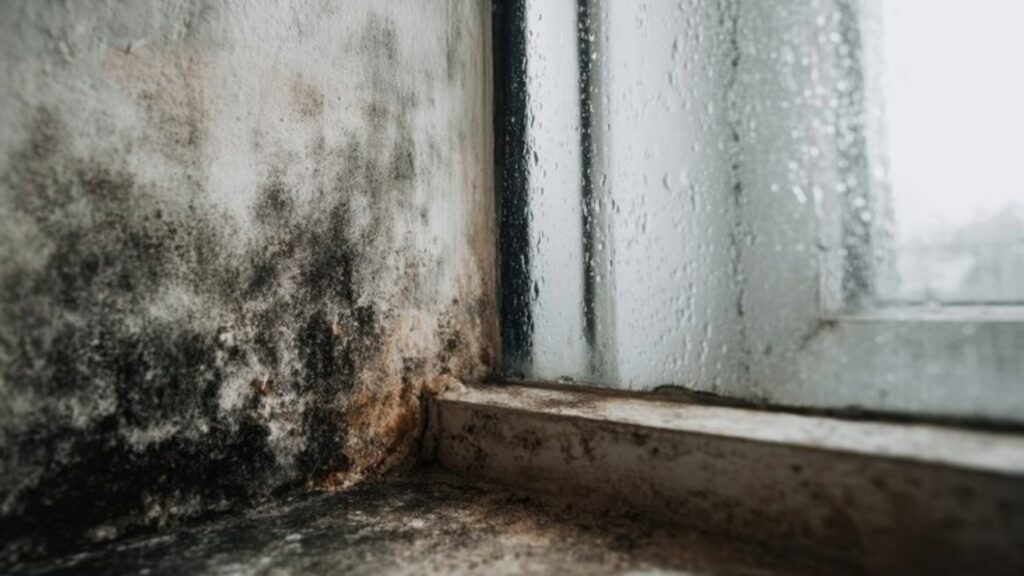
Right, so you’ve noticed that slightly damp, ‘forgotten about’ smell wafting down from the loft, or maybe your upstairs ceilings feel colder than a penguin’s picnic. Often, the sneaky reason behind this is condensation. It’s basically water vapour in the air deciding to turn back into liquid when it hits a cold surface. Think of it like a cold glass of fizzy pop on a warm day – those little droplets that form on the outside? Same idea, but happening in your roof space.
How Poor Ventilation Traps Moisture
If your loft isn’t getting enough fresh air circulating, any warm, moist air from your house just hangs around up there. This is especially true in winter when you’re heating your home, sending that warm air upwards. Without a way for it to escape, it cools down when it meets the colder roof timbers and insulation, and bingo – condensation forms. It’s like a greenhouse effect, but for dampness.
The Role of Insulation in Condensation
Good loft insulation is supposed to keep the heat in your living space, not trap moisture in your loft. When insulation gets damp, it stops doing its job properly. It can actually make the problem worse by creating colder spots where condensation can form more easily. The insulation itself can become a damp sponge, holding onto moisture and making that musty smell even stronger. It’s a bit of a vicious cycle, really.
Identifying Condensation Before Mould Appears
Before you see actual mould, there are usually other signs. You might notice:
- Dark stains appearing on your ceiling or walls, especially near the eaves.
- A general feeling of dampness in the air, even when the heating is on.
- Woodwork in the loft looking a bit darker or even starting to feel soft.
- A persistent, earthy or damp smell that just won’t go away.
It’s easy to dismiss these as just ‘old house’ quirks, but they’re often early warnings that moisture is building up where it shouldn’t be. Catching it early means you can sort out the ventilation and stop it from turning into a bigger, mouldier problem.
The Link Between Damp Insulation and Mould Growth
So, we’ve talked about cold ceilings and those whiffy smells. Now, let’s get down to the nitty-gritty of how damp insulation can turn your loft into a mould factory. It’s not just about feeling a bit chilly; it’s about what’s happening unseen, and it’s usually not good.
How Wet Insulation Becomes a Breeding Ground
Think of insulation like a sponge. When it gets wet, it loses its ability to keep your home warm, but worse, it becomes the perfect cosy spot for mould spores to set up home. Warm, moist air from your living space can creep up into the loft. If your insulation isn’t installed correctly, or if there’s a leak, this moisture can get trapped. This trapped moisture is the number one reason mould starts to grow. It needs something to feed on, and damp insulation provides just that, along with a nice, dark, undisturbed environment. It’s a recipe for disaster, really.
The Health Implications of Poor Loft Insulation Mould
This isn’t just an aesthetic problem. Mould in your loft can have a real impact on your health. Those mould spores don’t just stay put; they can travel through your home. Breathing them in can cause all sorts of issues, from sneezing and coughing to more serious respiratory problems, especially if you or someone in your household already has asthma or allergies. It’s definitely not something you want hanging around.
When Insulation Becomes a Moisture Sponge
Properly installed insulation acts as a barrier, helping to keep moisture out and warmth in. But when things go wrong, it can do the opposite. If there’s no vapour barrier, or if it’s damaged, moisture can easily seep into the insulation. Similarly, if insulation is packed too tightly or blocks ventilation pathways, it can trap humid air. This leads to the insulation material itself becoming saturated. It’s a bit like trying to use a wet towel to keep warm – it just doesn’t work and makes things worse. Getting the right loft insulation installation is key to avoiding this.
Common Causes of Loft Moisture Issues
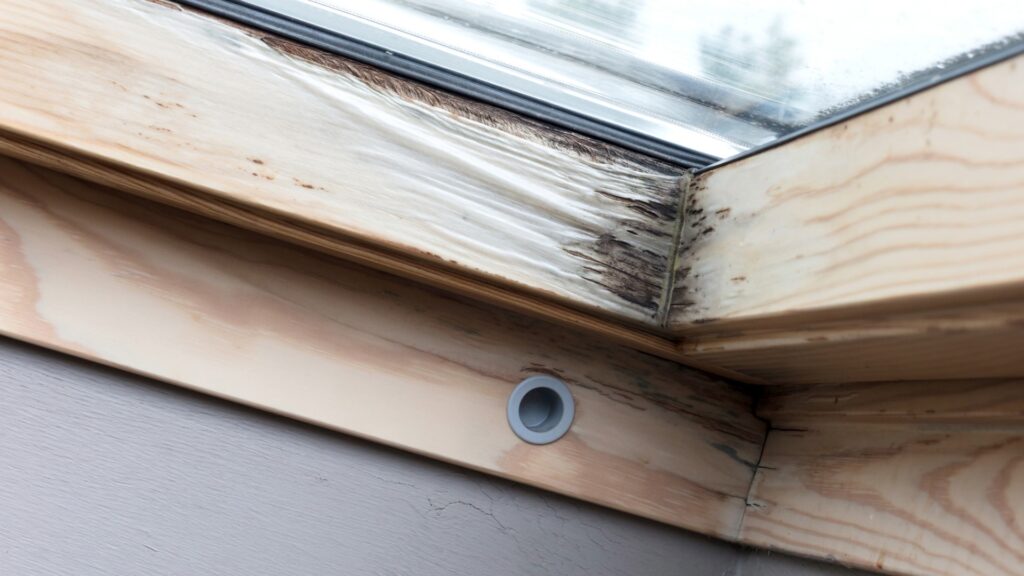
Right, so we’ve established that cold ceilings and that lingering musty smell aren’t just random annoyances. They’re often shouting at you about a bigger problem lurking in your loft: poor insulation and the damp it can cause. But what exactly is letting the moisture in and causing all this fuss?
Inadequate Airflow and Improper Venting
Think of your loft like any other room in the house – it needs to breathe. When insulation is installed, especially if it’s packed in too tightly or covers up existing vents, it can really choke off the airflow. This is a massive problem because all the moisture generated by daily life – from showering and cooking to just, well, breathing – has to go somewhere. If it can’t escape through proper ventilation, it hangs around in the loft, cools down, and condenses on all those lovely cold surfaces, like the underside of your roof. This is where those damp patches and mould spores start their life. It’s particularly bad in winter when the temperature difference between your warm house and the cold outside air is at its greatest.
Roof Leaks and Structural Weaknesses
This one might seem a bit more obvious, but it’s worth mentioning. Even a small, seemingly insignificant roof leak can be a major culprit. A few drips here and there might not seem like much, but over time, that water can soak into your insulation, making it less effective and creating a damp environment. It’s not just about obvious holes, either. Sometimes, issues with roofing felt or even damaged flashing around chimneys or vents can let water in. And if you’ve got older timbers, they can be more susceptible to rot if they’re constantly exposed to moisture, which is a whole other headache.
Everyday Household Moisture
It’s easy to blame external factors, but a lot of the moisture causing problems in your loft actually comes from inside your home. Every time you shower, boil the kettle, dry your clothes indoors, or even just exhale, you’re releasing water vapour into the air. In a well-ventilated house, this moisture usually dissipates. However, if your loft isn’t properly ventilated, this warm, moist air can travel upwards from your living space. When it hits the colder surfaces in the loft, it condenses. It’s a bit like leaving a cold glass of water out on a humid day – you get condensation forming on the outside. This constant, low-level moisture build-up is a prime suspect for that musty smell and can slowly degrade your insulation over time, making it less efficient and more prone to mould growth.
It’s a bit of a vicious cycle: poor ventilation traps moisture, which then gets absorbed by the insulation, making it damp. This damp insulation then struggles to do its job of keeping your home warm, leading to colder surfaces and even more condensation. Plus, wet insulation is a fantastic breeding ground for mould and mildew, which is where that unpleasant musty smell really kicks in.
Addressing Poor Loft Insulation Mould
Right then, so you’ve noticed that damp, musty smell or your ceilings feel a bit chilly, and you’re wondering what’s going on up in the loft. It’s often a sign that your insulation isn’t doing its job properly, and that can lead to mould. But don’t panic, there are ways to sort it out.
The Importance of Professional Assessment
First off, trying to guess what’s wrong with your loft insulation can be a bit of a shot in the dark. It’s really best to get someone who knows their stuff to have a look. They can spot things you might miss, like hidden damp patches or where the airflow isn’t quite right. Getting a professional survey is the smartest first step to understanding the real problem. They’ll be able to tell you if the insulation is wet, if there’s mould growing, or if the ventilation needs a serious upgrade. It’s not just about slapping in more insulation; it’s about making sure it’s done correctly so it actually helps and doesn’t make things worse. You can find specialists who offer a free insulation survey to get you started.
Solutions for Ventilation and Moisture Control
Once you know what the issue is, the next step is tackling the moisture. Often, the problem isn’t just the insulation itself, but how the air is moving (or not moving!) around it. Poor ventilation is a big culprit here. It traps warm, moist air from your home, which then condenses on the cold surfaces in your loft. Think of it like a steamy bathroom that isn’t properly aired out – all that moisture has to go somewhere.
- Check for vents: Make sure there are vents, especially soffit vents under the eaves, that allow fresh air in. Sometimes these get blocked by old insulation or debris.
- Airflow paths: Ensure insulation isn’t packed so tightly that it stops air from circulating freely. There should be clear channels for air to move.
- Moisture sources: Consider where the moisture is coming from. Is it just general household humidity, or could there be a small roof leak you haven’t spotted yet?
Addressing these ventilation and moisture issues is key to preventing mould from taking hold in the first place.
Replacing Compromised Insulation Materials
If your insulation has become damp, wet, or is showing signs of mould, it’s probably time to say goodbye to it. Wet insulation doesn’t just lose its ability to keep your home warm; it becomes a breeding ground for mould and can even start to damage the timbers of your roof. Trying to dry out old, soggy insulation is rarely a long-term fix. It’s much better to have it safely removed and disposed of. Professionals can handle the removal and disposal of outdated insulation, making sure the area is clean and ready for new, effective insulation. This might seem like a big job, but it’s a necessary one to protect your home’s structure and your health. Choosing the right type of new insulation, one that works well with your home’s ventilation, is also really important.
Beyond Mould: Other Consequences of Neglect
Right, so we’ve talked a lot about mould and damp, which are pretty grim. But honestly, ignoring those cold ceilings and musty smells can lead to a whole heap of other problems that go way beyond just a bit of mildew. It’s like that leaky tap you keep putting off fixing – it might seem minor now, but it can cause some serious damage down the line.
Increased Energy Bills and Heat Loss
This is probably the most immediate and noticeable effect. When your loft insulation isn’t doing its job properly, whether it’s because it’s damp, compressed, or just not there, heat is going to escape your home like a sieve. That means your boiler has to work overtime to keep things warm, and guess what? Your energy bills shoot up. It’s a simple equation, really: poor insulation equals more wasted energy, which equals more money down the drain. You’re literally paying to heat the sky.
Here’s a rough idea of how much heat you could be losing:
| Area of Home | Typical Heat Loss (%) |
|---|---|
| Roof/Loft | 25% |
| Walls | 35% |
| Windows | 10% |
| Floors | 10% |
| Draughts | 20% |
Damage to Roof Timbers and Structure
That dampness we mentioned? It’s not just bad for your health; it’s also a nightmare for the wooden beams and structure of your roof. Constant moisture can cause timber to rot, weakening the whole roof structure over time. This can lead to sagging ceilings, and in really bad cases, could even compromise the integrity of your roof. Think of it like leaving wood out in the rain for months on end – it’s not going to end well. Plus, if you’ve got any little critters like mice or insects making a home in the damp, decaying insulation, they can cause their own brand of structural damage too.
Impact on Property Value
Let’s face it, nobody wants to buy a house that’s got a list of problems as long as your arm. If a potential buyer spots signs of damp, mould, or even just feels a chill when they walk around, they’re going to be put off. They’ll either walk away or try to knock a significant amount off the asking price to cover the cost of repairs. So, neglecting your loft insulation isn’t just costing you money in energy bills; it could be costing you a significant chunk of your property’s value when it comes time to sell.
It’s easy to think of loft insulation as just a way to keep your house warm, but it’s actually a key part of maintaining the overall health and longevity of your home. Ignoring the warning signs like cold spots and odd smells is like ignoring a small crack in a windscreen – it might not seem like a big deal now, but it can quickly spread and become a much more expensive and serious problem to fix.
It’s not just mould that can cause problems when a home isn’t looked after. Ignoring issues can lead to dampness spreading, making your home feel cold and uncomfortable. This can also affect the air quality inside, which isn’t good for anyone living there. Don’t let small problems become big ones; visit our website to learn how we can help protect your home.
Don’t Let Your Loft Turn into a Cold, Damp Mess
So, if you’re noticing your upstairs rooms are a bit chilly, or you’ve caught a whiff of that damp, musty smell creeping in, it’s probably time to have a good look at your loft insulation. It’s easy to forget about it up there, but it’s doing a massive job keeping your home cosy and your bills down. Ignoring these signs could lead to bigger, more expensive problems down the line, like mould or even damage to your roof. Getting it checked out and sorted is a smart move for a warmer, healthier home.
Frequently Asked Questions
Why does my loft smell a bit musty, even though I can’t see any mould?
Even if you can’t spot any mould, that damp, musty smell is a big clue that moisture is hanging around in your loft. This often happens because the insulation isn’t letting the air move properly, so the damp air gets trapped. It’s like a stuffy room that needs opening a window – your loft needs to breathe too!
Can bad loft insulation actually make my house colder?
Absolutely! It sounds a bit weird, but if your loft insulation is old, damp, or not put in right, it stops doing its job of keeping the heat in. Heat naturally rises, so if your loft isn’t insulated well, all that lovely warmth from your heating just escapes through the roof. That’s why rooms might feel chilly, especially upstairs.
What’s the difference between condensation and mould in the loft?
Think of condensation as the first step. It’s when warm, moist air from your house meets the cold surfaces in the loft and turns into water droplets. If this moisture isn’t dealt with, it creates the perfect damp conditions for mould to start growing. So, condensation is the dampness, and mould is the fuzzy stuff that grows because of it.
How can I tell if my loft insulation is too thin or needs replacing?
A simple check can tell you a lot. If you can easily see the wooden beams (joists) that make up the floor of your loft sitting on top of the insulation, it’s probably not thick enough. Ideally, the insulation should be a good few inches higher than those beams. Also, if it looks flat, squashed, or has dark, damp patches, it’s likely time for a change.
Is it dangerous to have mould in my loft?
Yeah, it can be. Mould releases tiny spores into the air, and if you breathe them in, they can cause problems like allergies, asthma flare-ups, and other breathing issues. Plus, the dampness that causes mould can also damage the structure of your roof and ceilings over time, which is a costly fix.
What’s the best way to sort out damp and smells in my loft?
The first thing is to find out *why* it’s damp. It could be a leaky roof, or more likely, not enough airflow. You’ll probably need to improve the ventilation in your loft, maybe by adding vents, and make sure any moisture sources from your home (like bathroom fans) are properly vented outside. If the insulation itself is wet or mouldy, it’ll need to be removed and replaced with fresh, dry stuff.